Situation
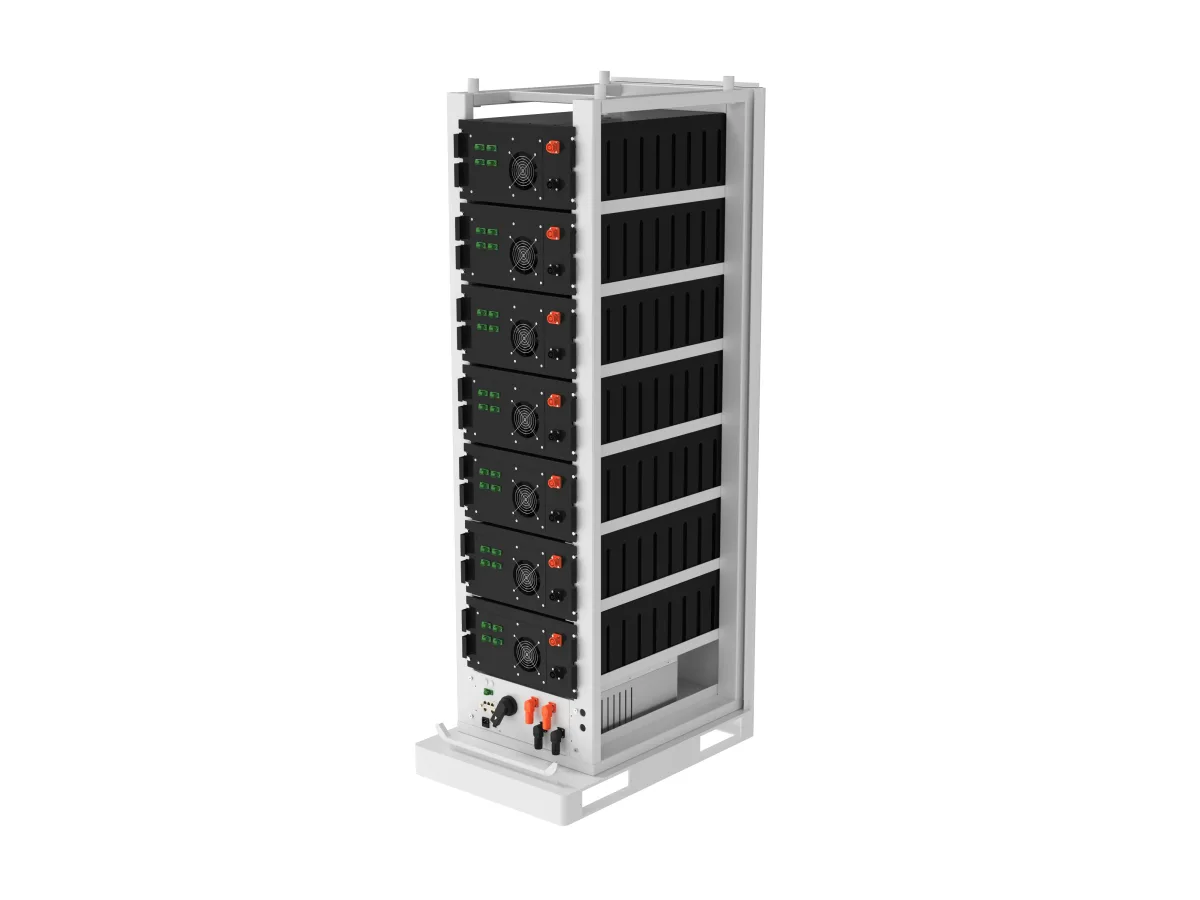
Your C&I storage project needs maximum pack energy within a fixed enclosure, while retaining the mechanical and electrical interface your team already qualified. Every additional kWh per rack reduces BOS cost and floor-space requirements, but changing cell format forces expensive re-qualification.
The Challenge
Most high-capacity cells either change the mechanical footprint, complicate the electrical interface, or carry certification gaps for EU C&I deployments. Re-qualifying a new cell format adds months of testing and engineering cost, directly eroding project margins and time-to-market.
How do you add more energy per rack without re-qualifying your qualified pack architecture?
Our Answer
The SSL LFP304 delivers ~9% more energy than the 280Ah class in the same mechanical footprint, with IEC62619 certification and 0.5P continuous discharge — so you scale pack density while keeping your qualified busbars, fixtures, and BMS settings intact.
Drop-in 280Ah Compatibility
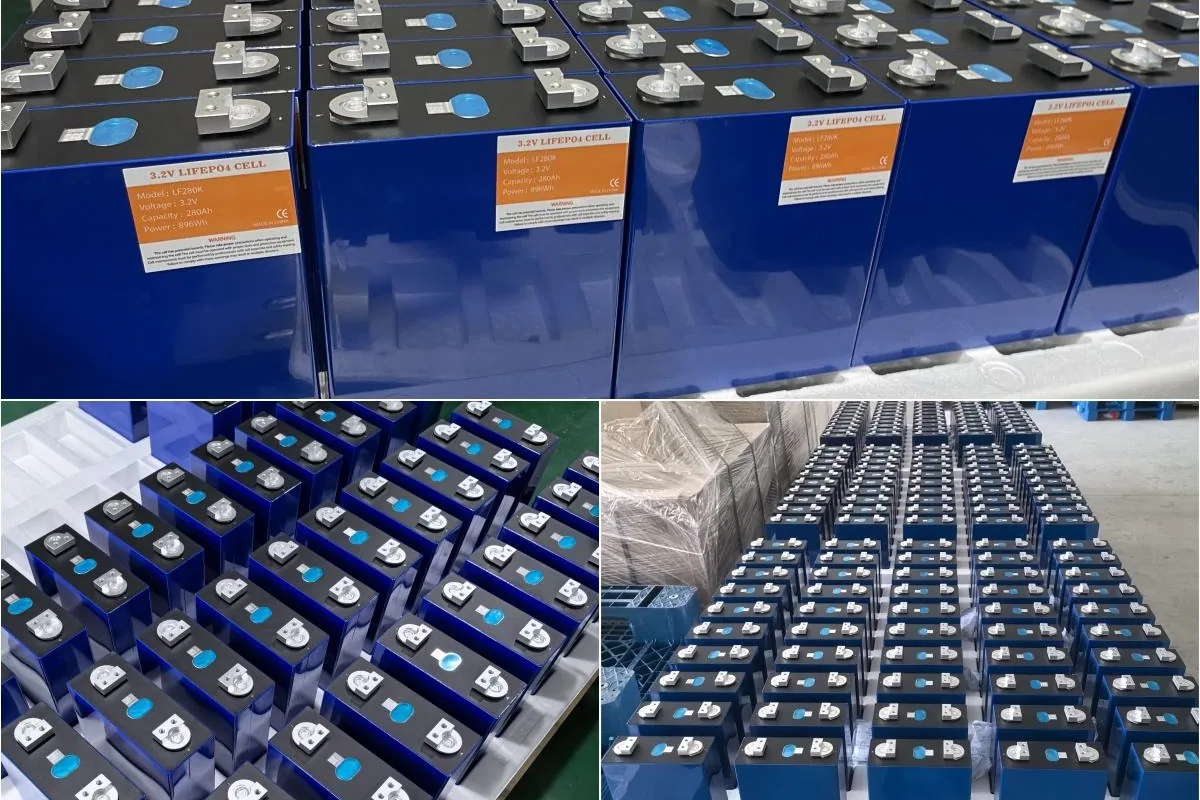
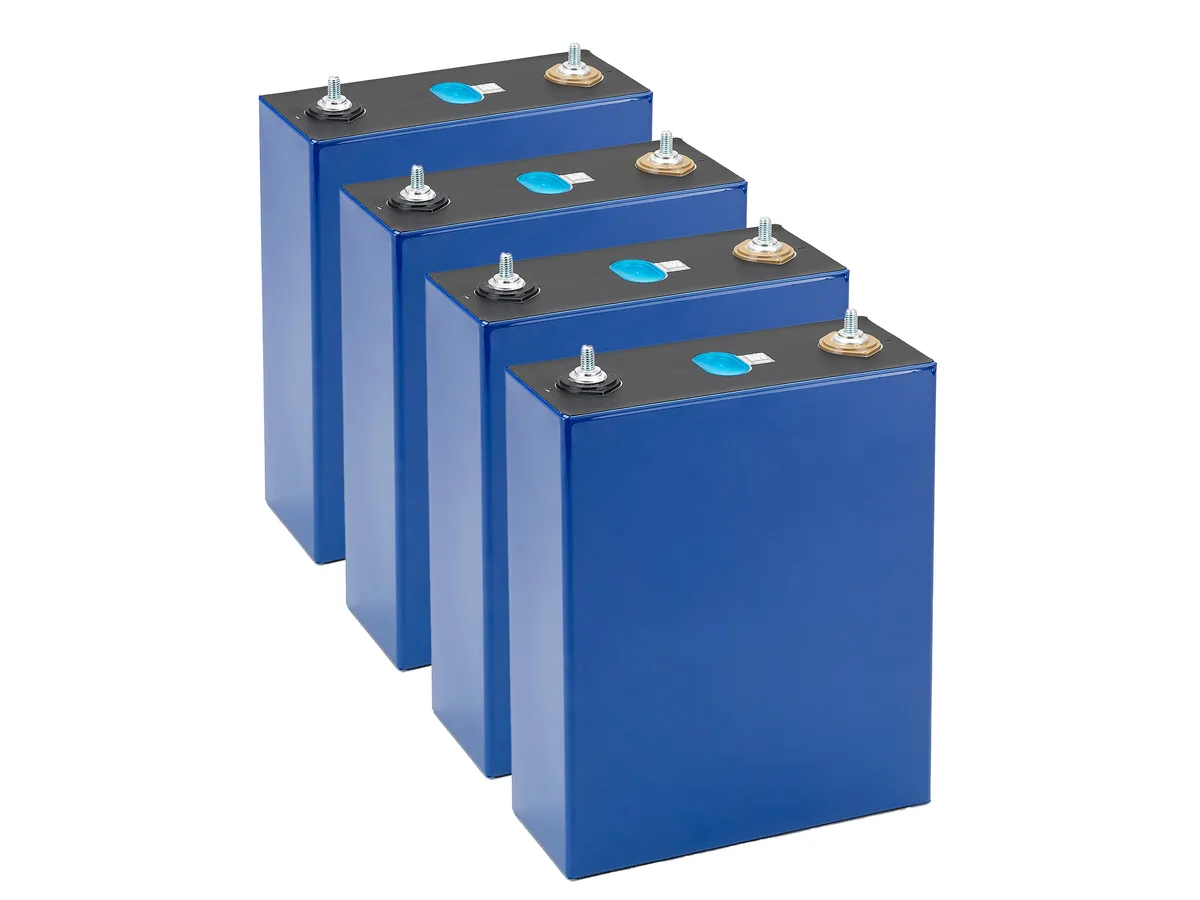
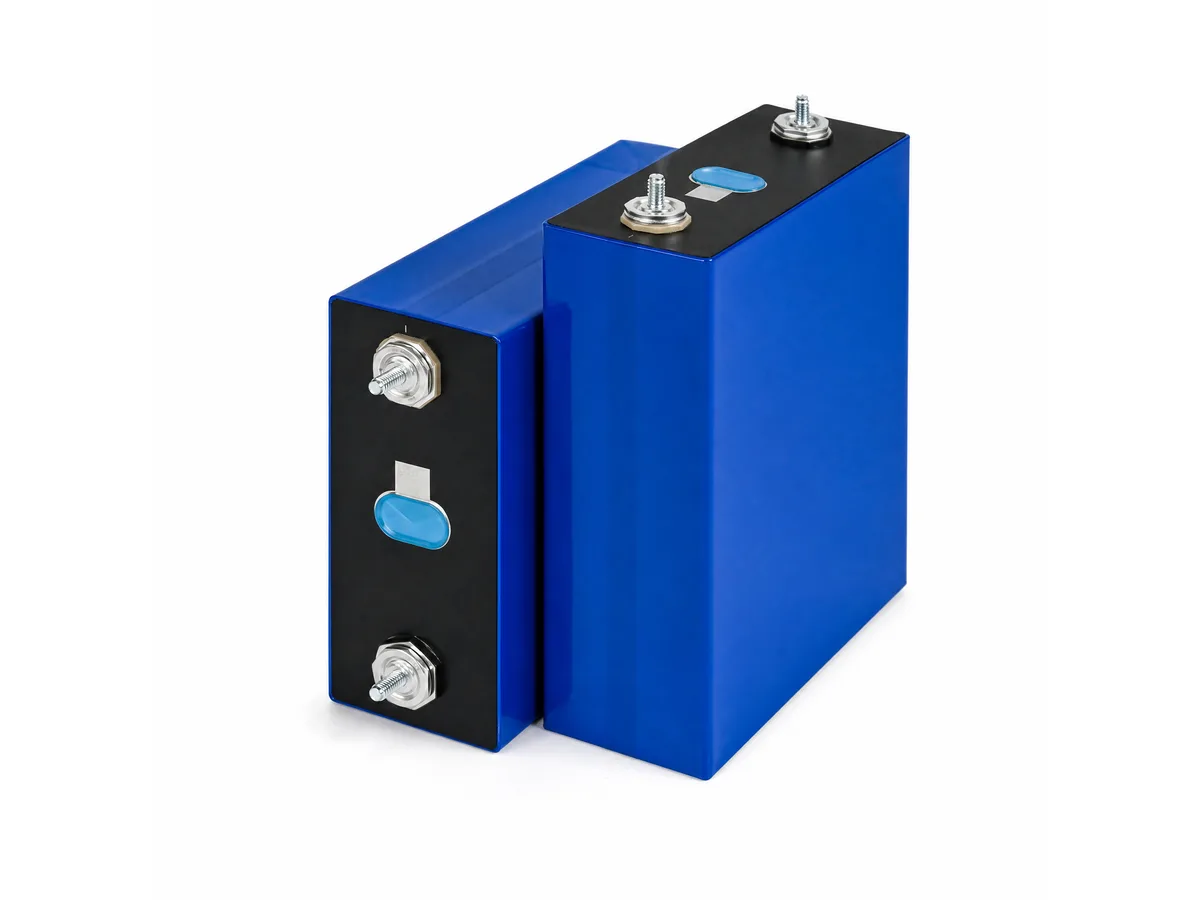
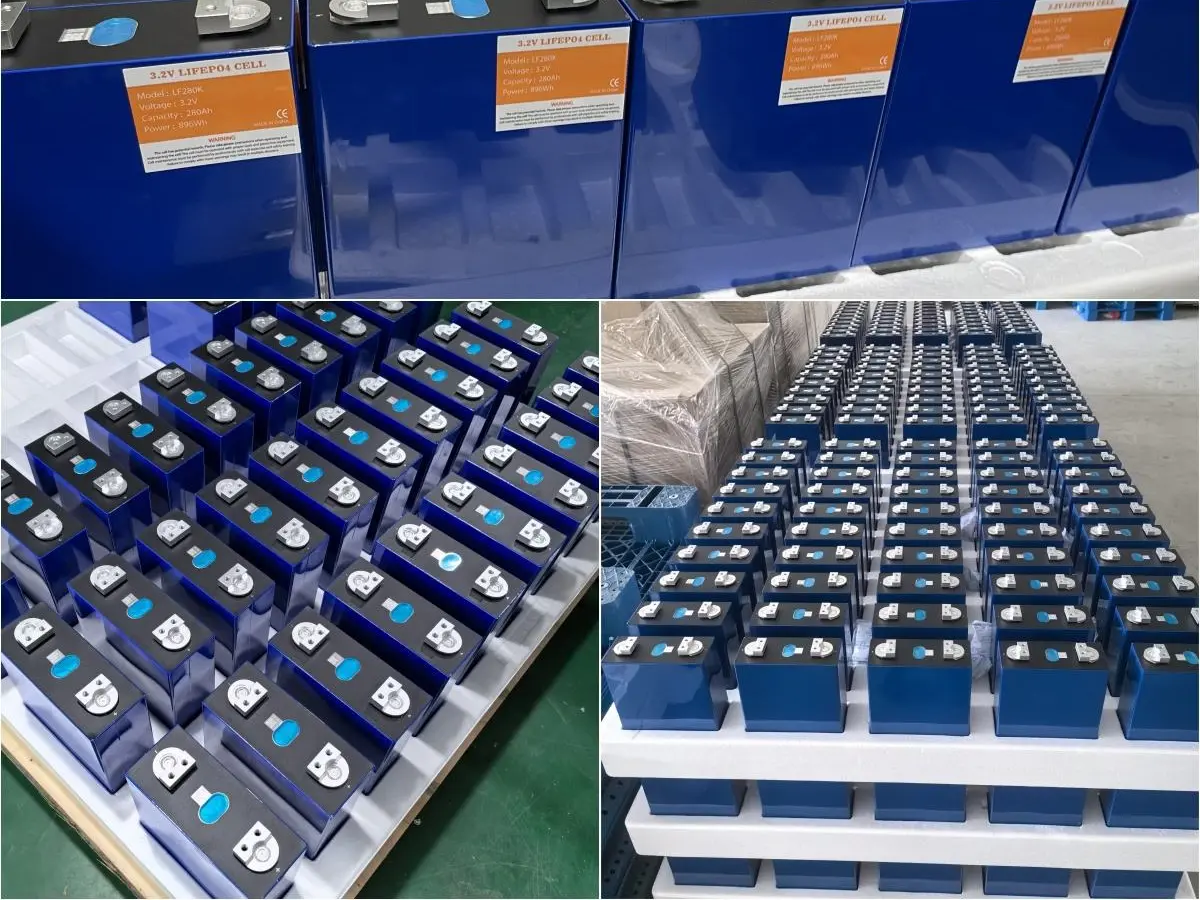
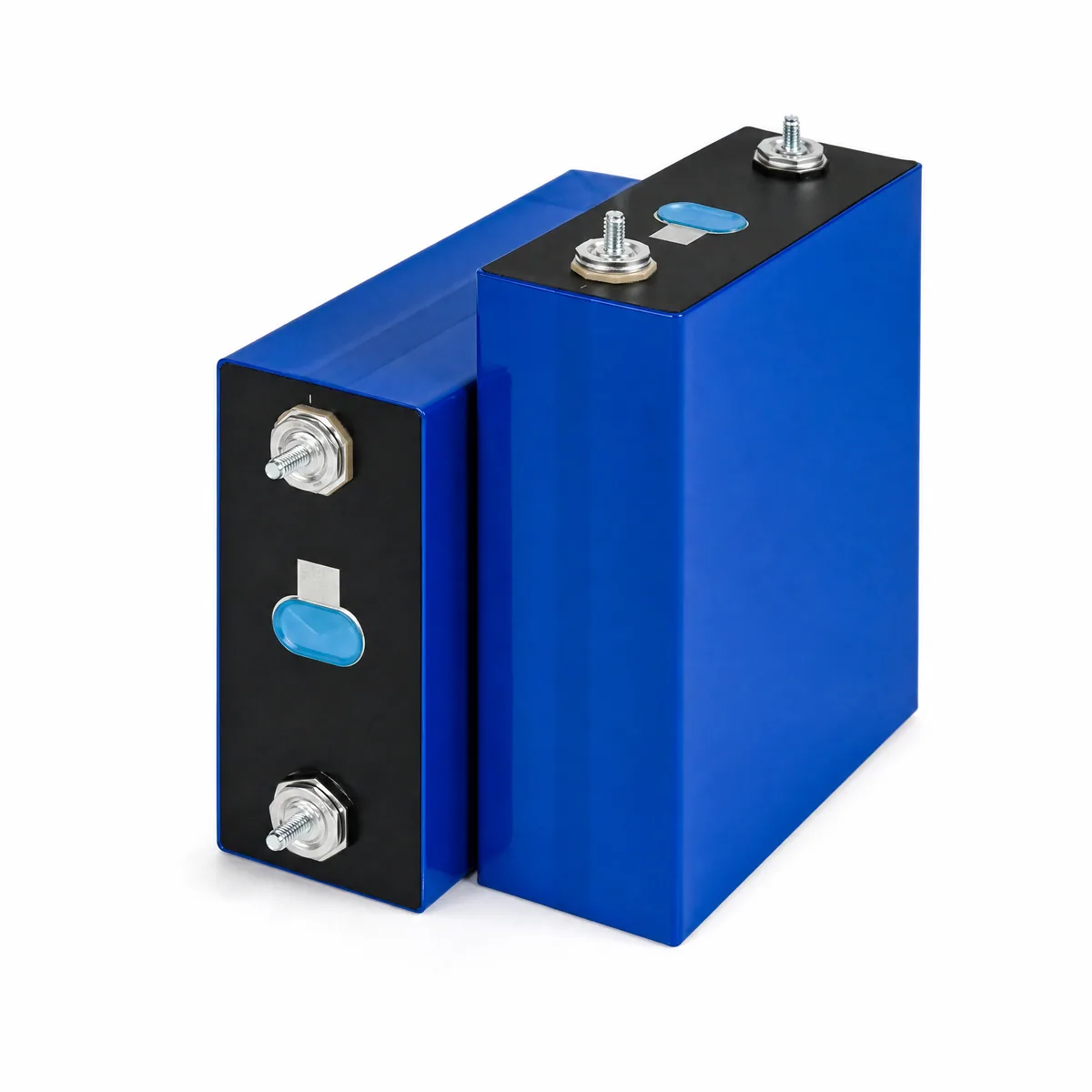
The LFP304 keeps the 280Ah mechanical footprint and terminal layout. Qualified busbars, straps, and fixtures carry over — only the capacity label changes.
IEC62619 Certified
Certification covers industrial battery safety requirements for C&I deployments, aligned with EU market expectations before you splice a single cell into a pack.
More Energy per Rack
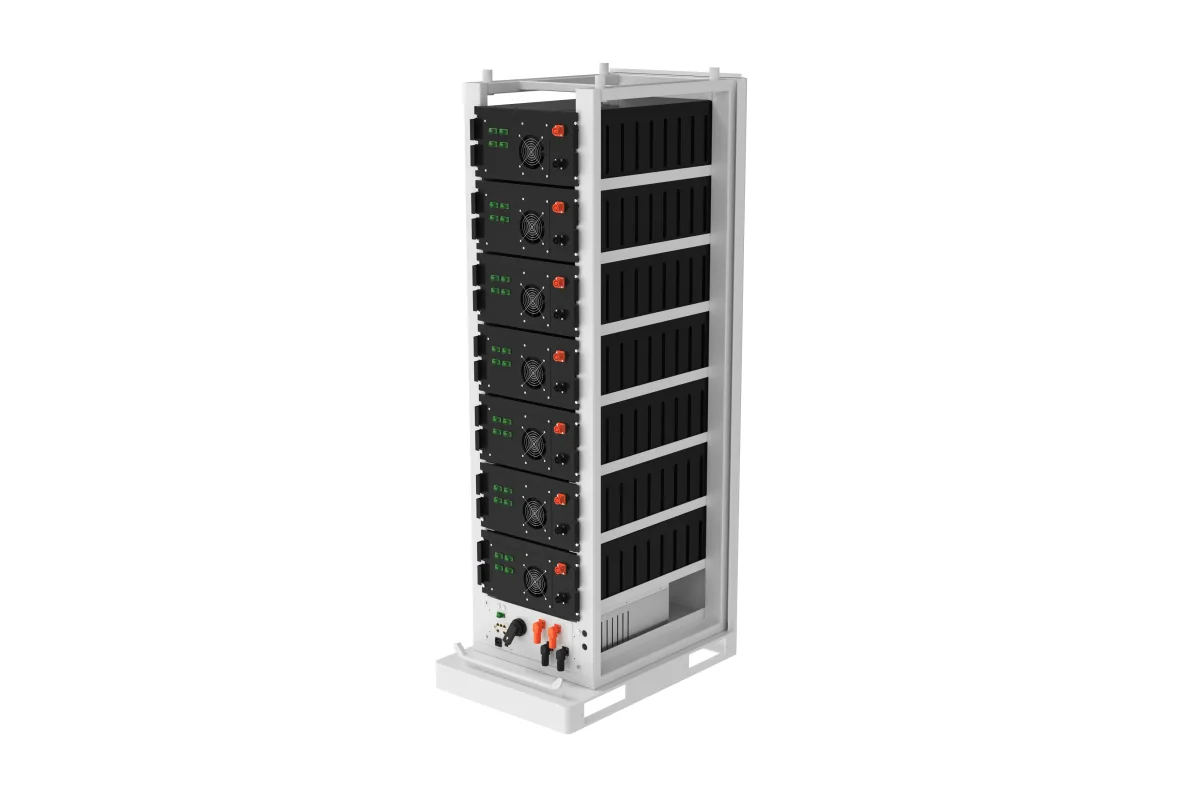
At the same cell count, LFP304 packs hold roughly 9% more energy than 280Ah packs, reducing cost per kWh and floor-space footprint in C&I storage projects.
Where It Fits Best
View specifications
| Application | Why it fits |
|---|---|
| C&I storage | More energy per rack cuts cost per kWh and floor space. |
| OEM pack upgrades | Drop-in 280Ah footprint upgrades pack capacity without redesign. |
| Solar plus storage | IEC62619 certified cells for grid-tied C&I deployments. |
Engineering Integration Notes
Mechanical compatibility
View specifications
| Mechanical factor | Operational effect |
|---|---|
| 173.7×71.7×207.2 mm footprint | Identical to 280Ah class — fixtures and rack tooling carry over. |
| ~5.4 kg cell weight | No handling or fixture-load changes from the 280Ah baseline. |
| Terminal geometry parity | Busbars, straps, and torque specs stay valid. |
Electrical considerations
View specifications
| Validation item | Why it matters |
|---|---|
| 0.5P continuous discharge (152 A) | Higher per-cell current than 280Ah class — confirm BMS limits. |
| ACIR ≤0.25 mΩ and capacity binning | Parallel strings stay balanced under higher cell current. |
| BMS parameter counters to inverter/EMS | Capacity and SOC gains need re-mapping in the EMS layer. |
Quality & EU Documentation
IEC62619 certified. CE, UN38.3, and MSDS documentation included. Full lot traceability and batch test reports shipped with every order.