Situation
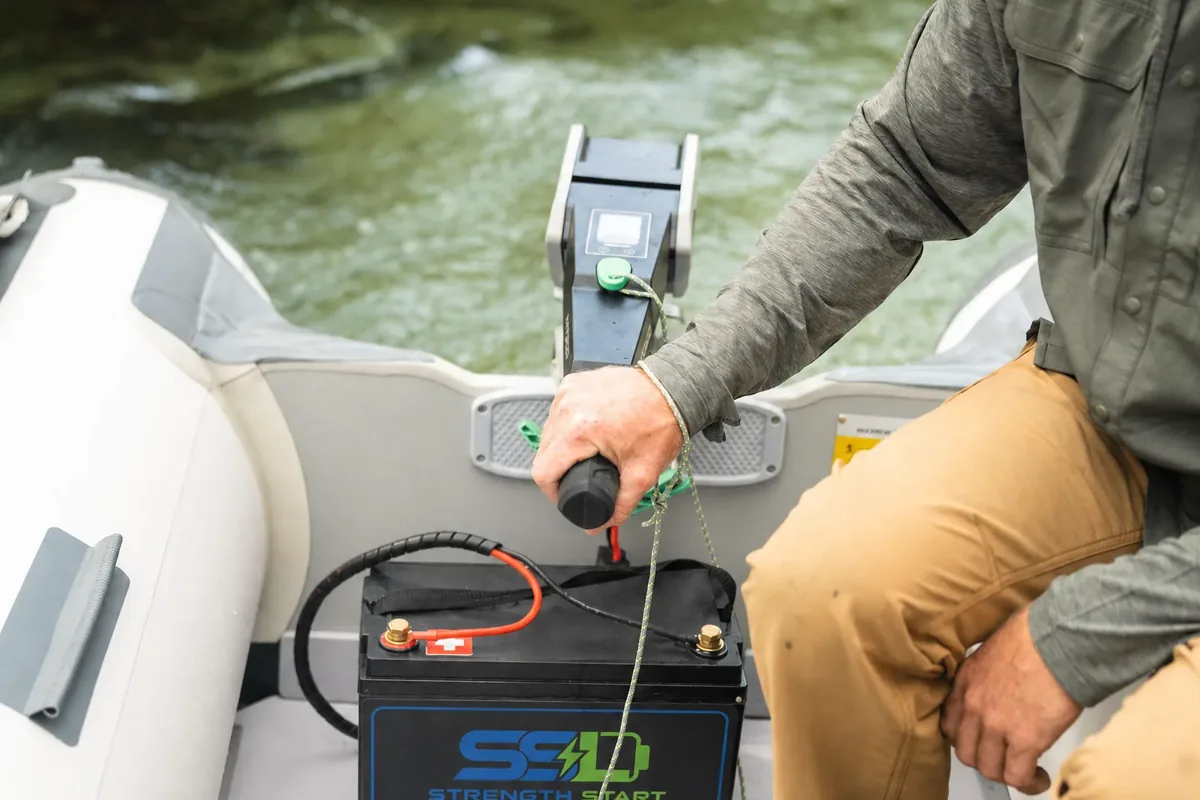
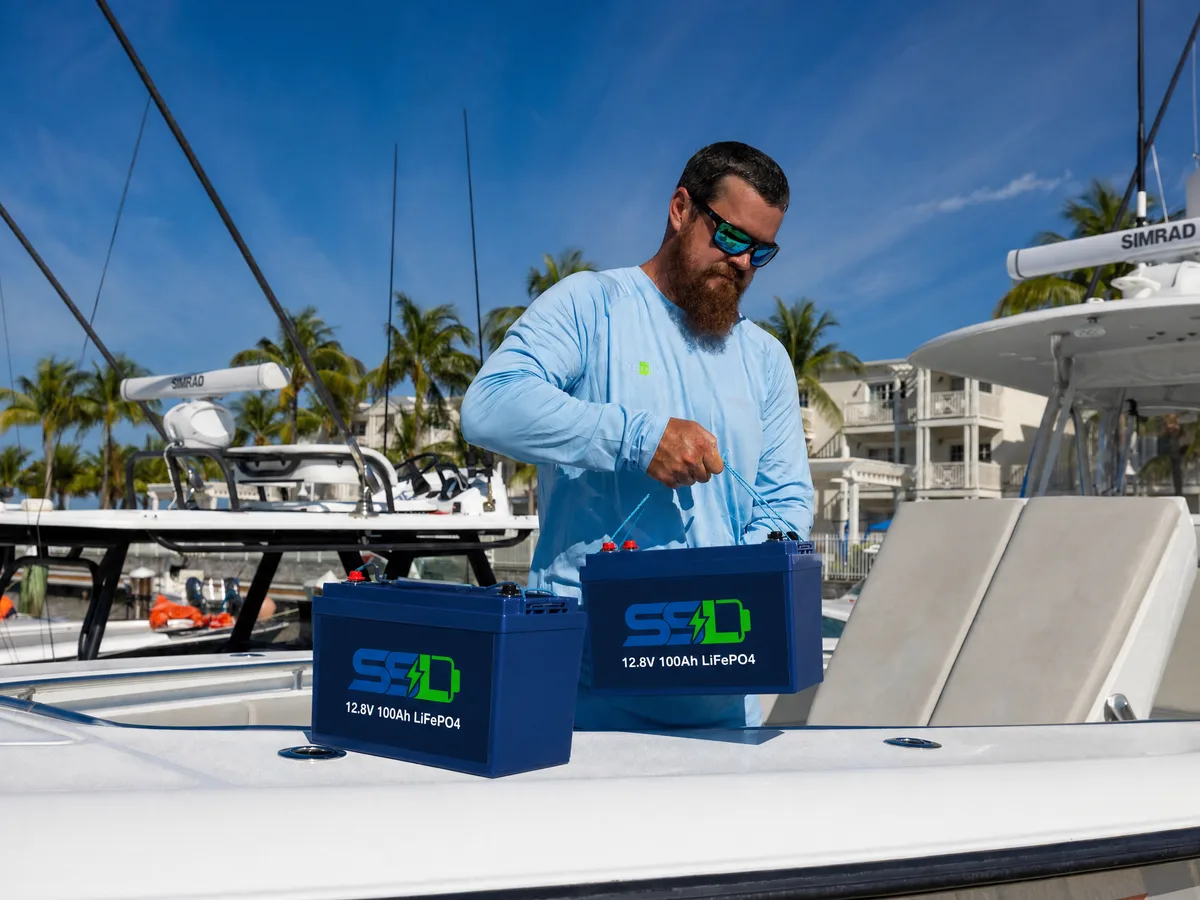
You specify 12 V LiFePO4 packs for two distinct application families: Energy Storage (ESS) — solar backup, telecom cabinet backup, security/UPS, compact off-grid — where calendar life, float stability, and low self-discharge dominate; and Motive Power — AGV/AMR, robotics, marine electric propulsion, portable equipment — where peak-current tolerance, acceleration surge handling, and cycle life under dynamic loads decide uptime. Both need drop-in footprints, charger compatibility, and batch-to-batch consistency.
The Challenge
Most suppliers pigeonhole 12V as either 'solar' or 'traction' and sell the same BMS profile for both. ESS packs with float-tuned BMS trip on AGV acceleration surges. Motive packs with peak-current BMS drift on float voltage, killing calendar life. Cheap packs add rewrapped cells, missing low-temp charge gating, and footprints needing fabrication — every batch difference restarts qualification.
How do you source a 12 V LiFePO4 platform that serves BOTH ESS and motive duty — with the right BMS profile, cell grade, and footprint for each — without qualifying two different suppliers?
Our Answer
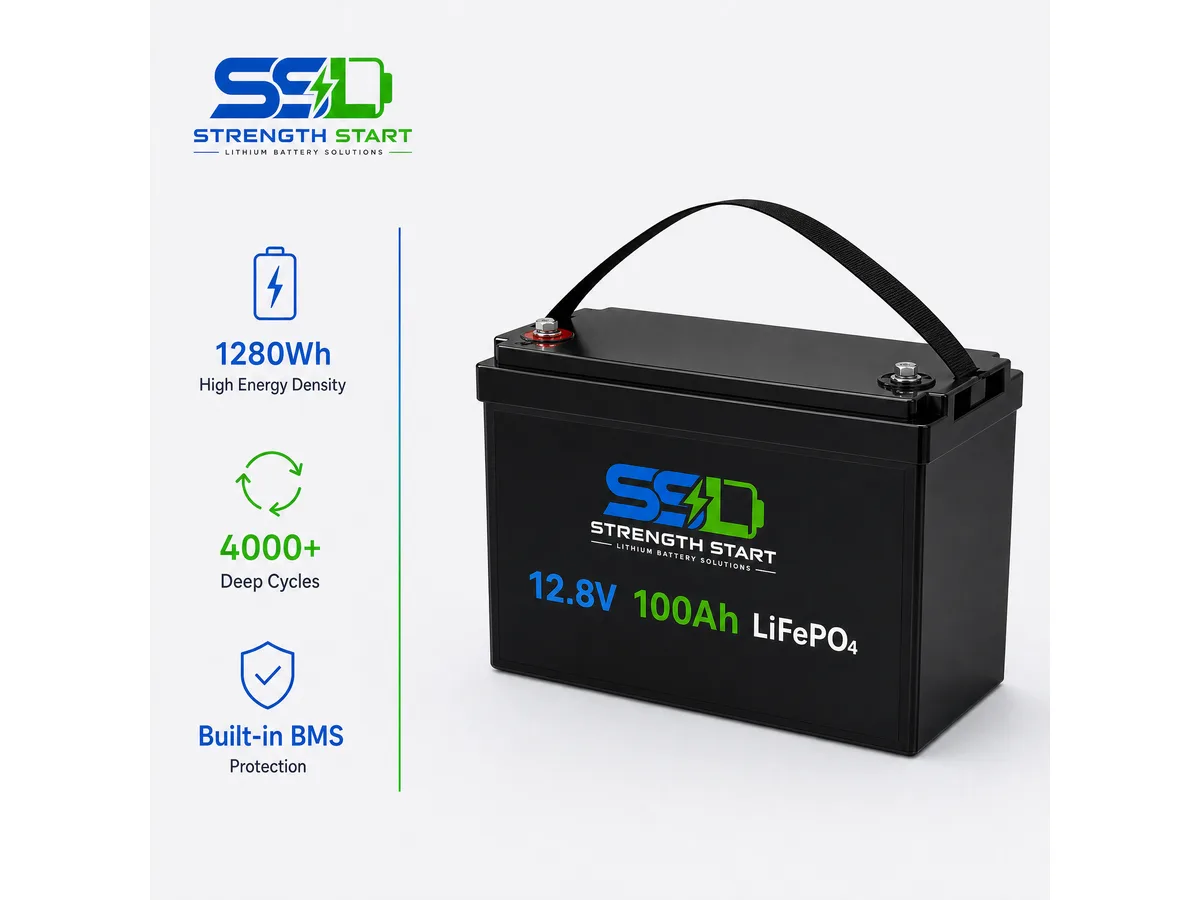
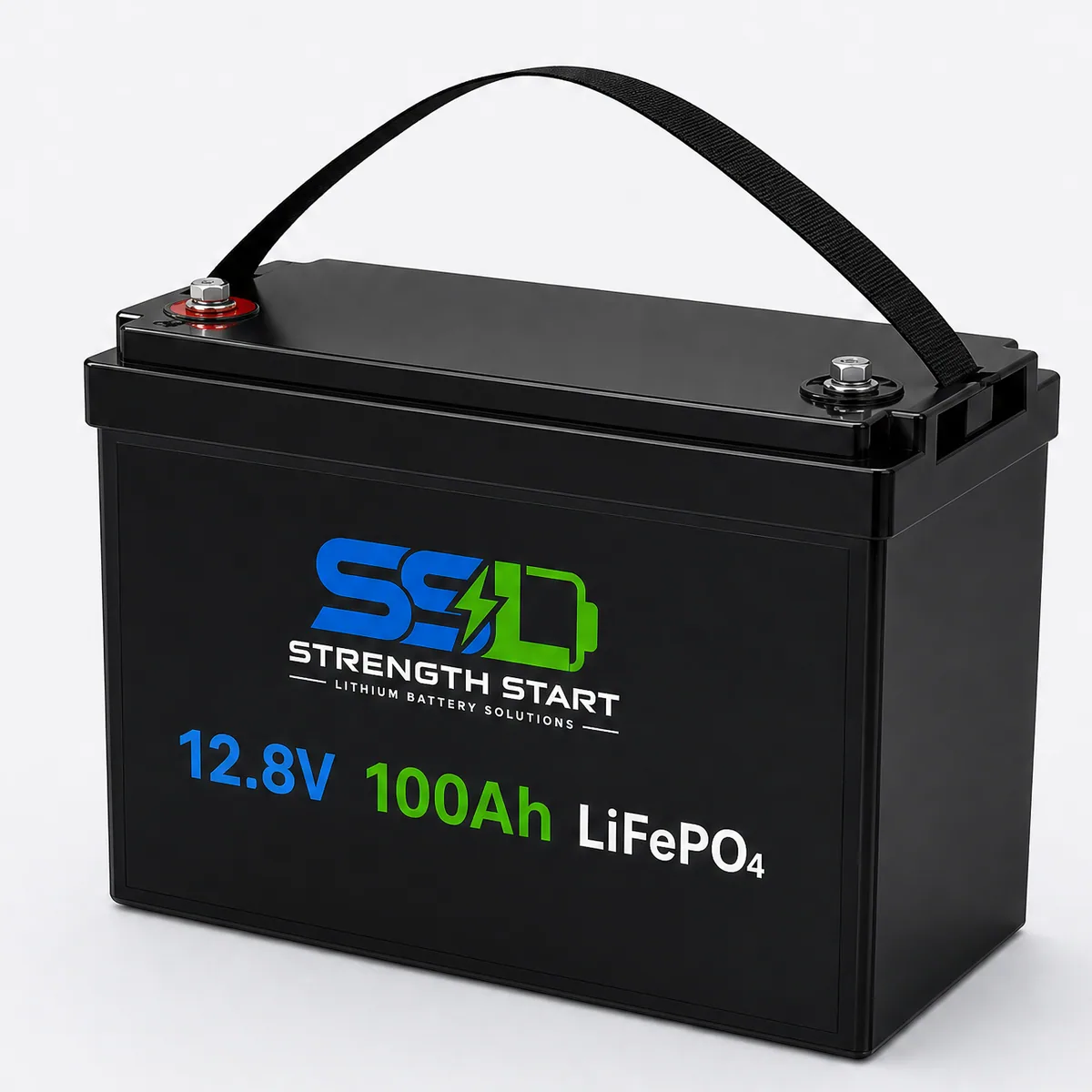
SSL 12 V packs are a single voltage platform with two factory-validated BMS profiles: ESS Profile (float/backup tuned, calendar-life cells, low self-discharge) and Motive Profile (peak-current tolerant, high-discharge cells, surge-rated). Both share traceable Grade A cells, group-matching footprints, low-temp charge gating, and per-batch test docs. Poland Local Warehouse supports 3–7 Days DDP for EU programs. You qualify the platform once; we tune the profile to your duty cycle.
Verified Cell Sourcing
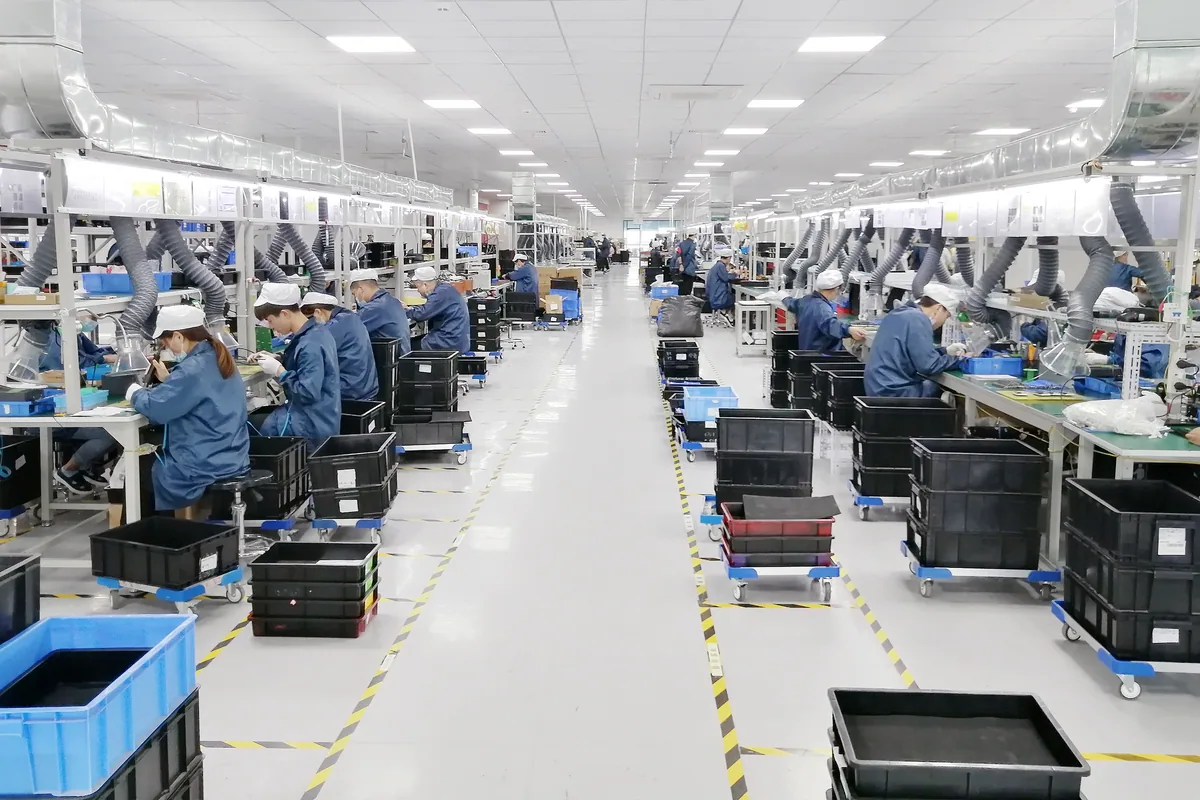
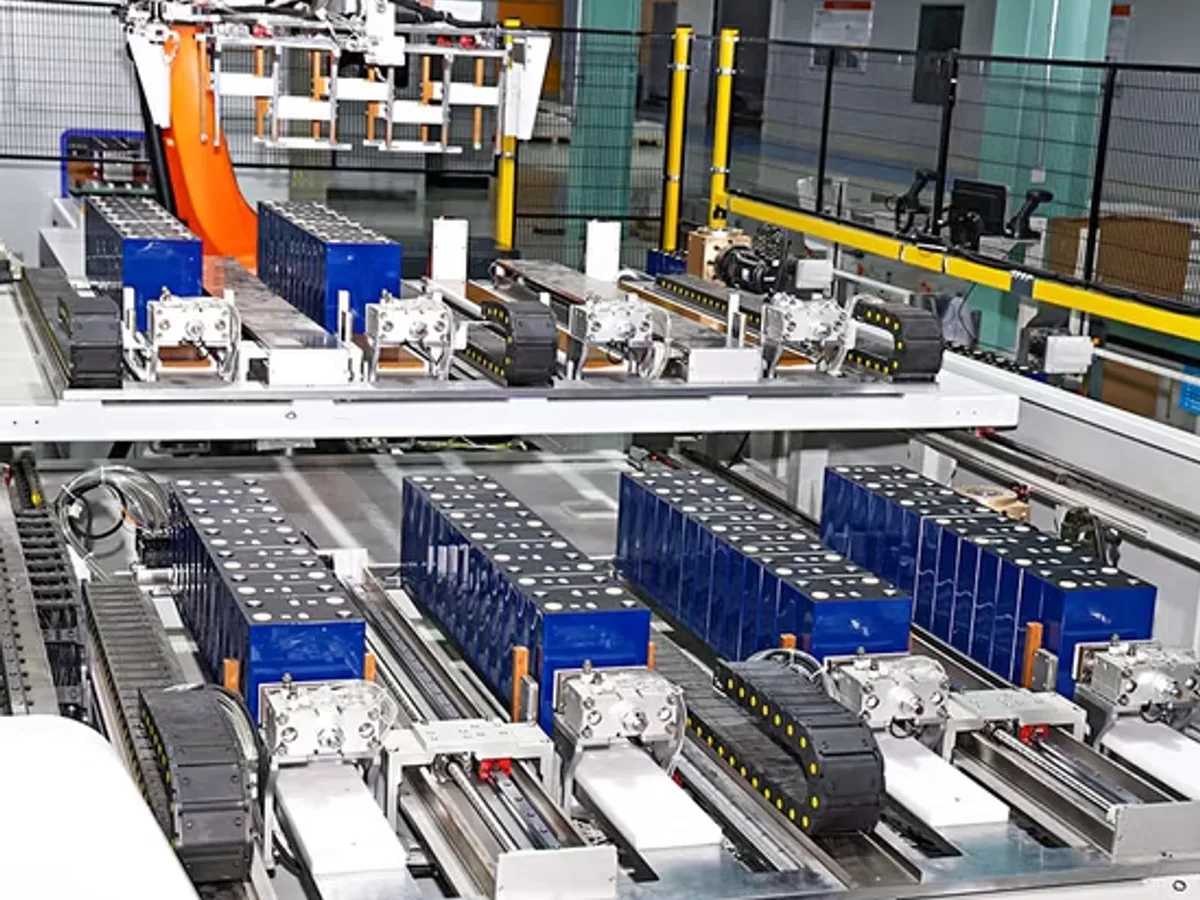
Every SSL 12V pack is built with traceable Grade A LiFePO4 cells from established manufacturers. Cell acceptance testing at incoming inspection and pack-level formation matching ensure capacity and impedance consistency across every unit — eliminating the batch-to-batch variation that causes field failures and warranty disputes.
Dual BMS Profiles: ESS vs Motive
Before sampling, we validate which duty cycle your application follows. ESS Profile: float voltage, balancing strategy, and low-temp protection tuned for solar backup, telecom, security — maximizing calendar life and float stability. Motive Profile: overcurrent thresholds, response timing, and thermal derating tuned for AGV/AMR acceleration surges, marine propulsion peaks, robotics dynamic loads. Both share CAN/RS485 communication and low-temp charge gating.
European Delivery & Compliance
For European B2B buyers, Poland Local Warehouse planning supports 3-7 Days DDP replenishment for qualified programs. Compliance documentation — CE, UN38.3, MSDS — is aligned during technical review, not rushed at shipping. This workflow turns battery sourcing into a repeatable procurement process rather than a per-project engineering exercise.
SSL 12 V LiFePO4 battery packs are engineered for B2B programs where consistency matters more than marketing claims. We build around stable cell sourcing, repeatable assembly parameters, and pack-level verification so your purchasing and engineering teams can qualify a SKU once and scale it with confidence. Voltage is the platform — BMS profile and cell selection adapt to your duty cycle.
Where It Fits Best
View specifications
| Application Type | Typical Use Cases | Why 12V Fits |
|---|---|---|
| Energy Storage (ESS) | Solar backup, telecom cabinet backup, security/UPS, compact off-grid | Float-tuned BMS maximizes calendar life; low self-discharge; group-matching footprints for drop-in replacement |
| Motive Power | AGV/AMR, robotics, marine electric propulsion, portable equipment | Peak-current BMS handles acceleration surges; high-discharge cells; low-temp charge gating for outdoor duty |
| RV & Marine House Banks | House bank replacement, campervan conversions | Lead-acid group-size footprints; 60% lighter; 6000+ cycles ends two-year replacement cycle |
| Security & Backup Systems | Standby duty, long calendar life | Stable float behavior; long shelf life; batch-consistent for predictable replacement |
BMS Profile Selection: ESS vs Motive
View specifications
| Parameter | ESS Profile (Float/Backup) | Motive Profile (Peak-Current) |
|---|---|---|
| Primary Goal | Calendar life, float stability | Surge tolerance, cycle life under dynamic loads |
| Float Voltage | Precise, tight regulation | Standard regulation |
| Overcurrent Threshold | Lower, conservative | Higher, surge-rated |
| Response Timing | Slower, avoids nuisance trips | Faster, handles acceleration spikes |
| Balancing Strategy | Optimized for standby | Optimized for cyclic duty |
| Cell Selection | Calendar-life optimized | High-discharge rate optimized |
| Typical Applications | Solar backup, telecom, security, UPS | AGV/AMR, robotics, marine traction, portable |
Engineering Fit Check
Inputs we validate
View specifications
| Input | Why it matters |
|---|---|
| Inverter/charger/controller model and target setpoints | Confirms charging behavior and BMS profile before sampling. |
| Application type: ESS (backup/solar) or Motive (traction) | Selects correct BMS profile and cell grade. |
| Peak vs. continuous current and surge windows | Prevents mismatch between real loads and BMS limits. |
| Ambient temperature range and enclosure constraints | Protects cycle life and low-temperature charging safety. |
| Cable length, connector family, and protection devices | Reduces voltage drop, nuisance trips, and field rework. |
BMS logic we tune
View specifications
| BMS item | Engineering purpose |
|---|---|
| Overcurrent thresholds and response timing | Matches real peak events without unnecessary shutdowns. |
| Thermal safeguards and controlled derating | Protects cells under sustained load and hot environments. |
| Low-temperature charge protection | Prevents cell damage in cold-weather operation. |
| Balancing strategy | Stabilizes SOC behavior and long-cycle performance. |
Compliance and EU Delivery
Compliance is treated as a workflow, not a checkbox. We align documentation for UN38.3 / CE / MSDS (as applicable), labeling, and logistics readiness.
For European customers, Poland Local Warehouse planning supports 3–7 Days DDP replenishment for qualified recurring programs.