Situation
You specify 48 V LiFePO4 packs for two distinct application families: Energy Storage (ESS) — home ESS platforms, commercial backup, solar self-consumption — where inverter protocol mapping, 95% DoD usable capacity, and parallel SOC synchronization dominate; and High-Power Motive — 48V golf cart platforms, forklift, marine electric propulsion, EV conversion kits — where controller-aligned BMS, peak-current tolerance, and fast-charge acceptance decide uptime. Both need validated parallel scaling, factory-tested communication protocols, and batch-to-batch consistency.
The Challenge
Most suppliers pigeonhole 48V as 'home ESS only' and sell inverter-mapped BMS for everything. Motive applications with ESS-tuned BMS cut out on forklift peak draw or golf cart acceleration. ESS applications with motive-tuned BMS drift on inverter float voltage, causing SOC drift and silent shutdowns. Packs without validated parallel behavior force early balancing losses and uneven aging — both surface after installation, at your cost.
How do you qualify a 48 V LiFePO4 platform that serves BOTH ESS and high-power motive duty — with the right BMS profile, protocol mapping, and parallel scaling for each — without qualifying two different suppliers?
Our Answer
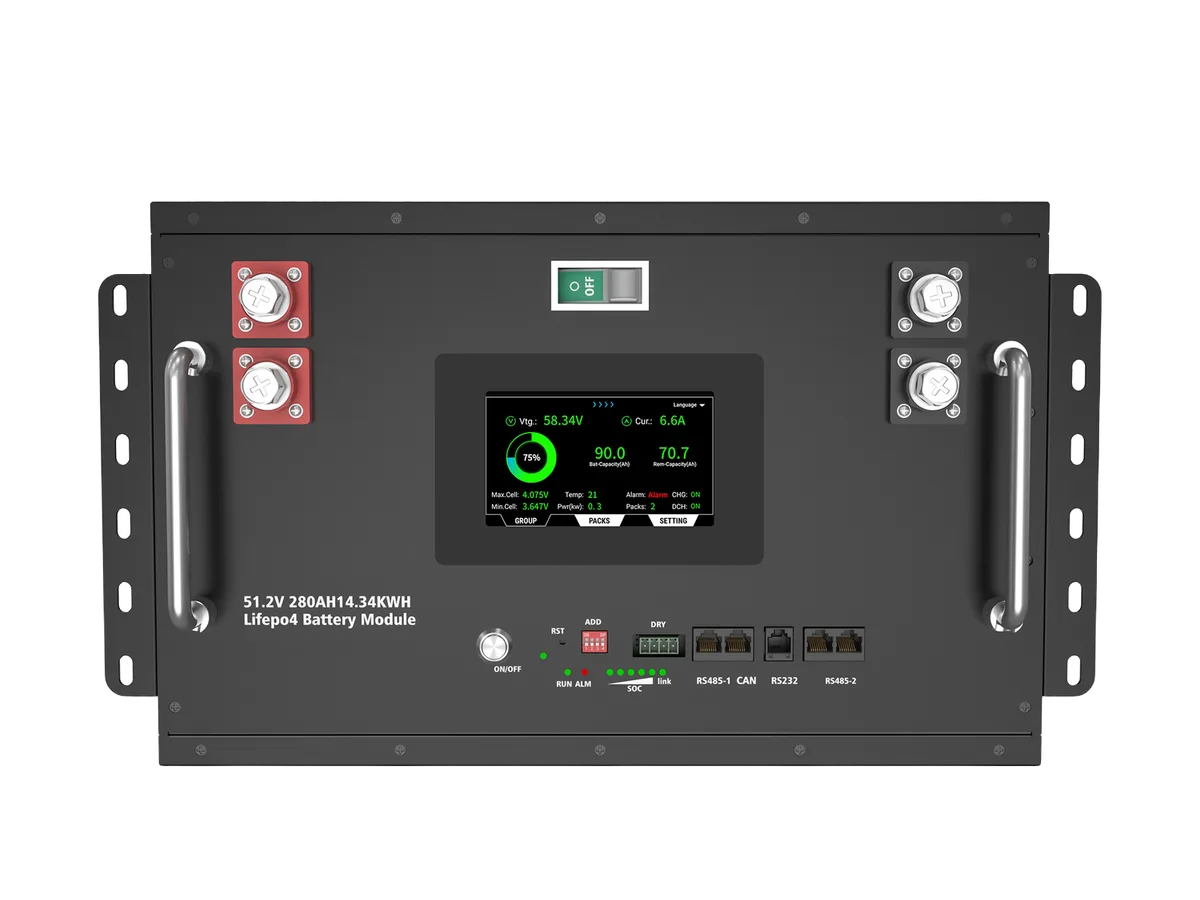
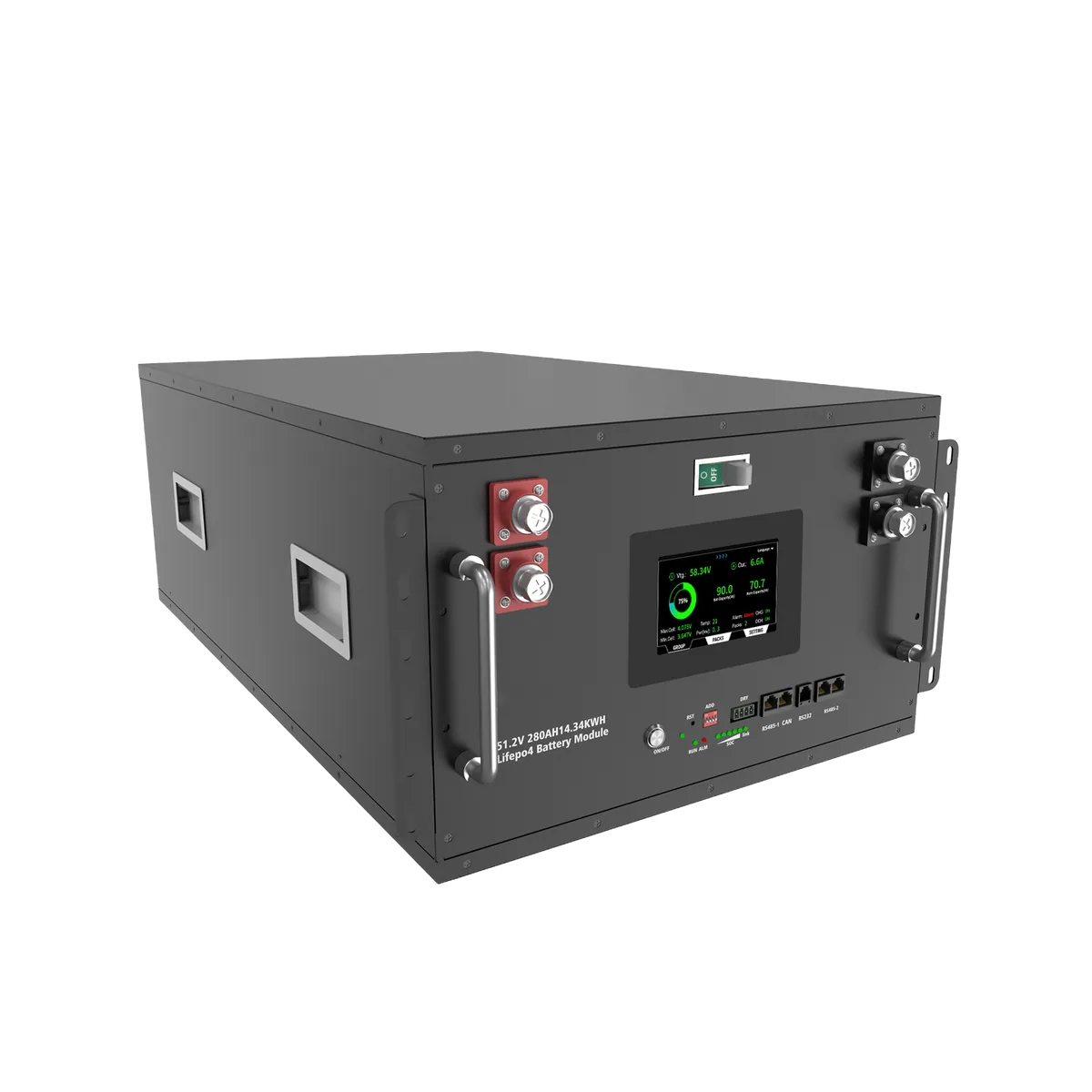
SSL 48 V packs are a single voltage platform with two factory-validated BMS profiles: ESS Profile (inverter-mapped CAN/RS485, 95% DoD, parallel SOC synchronization, calendar-life cells) and Motive Profile (controller-aligned CAN, peak-current tolerant, fast-charge rated, high-discharge cells). Both share traceable Grade A cells, validated parallel operation with SOC sync, factory-tested protocol mappings, and per-batch test docs. Poland Local Warehouse supports 3–7 Days DDP for EU programs. You qualify the platform once; we tune the profile to your duty cycle.
Verified Cell Sourcing
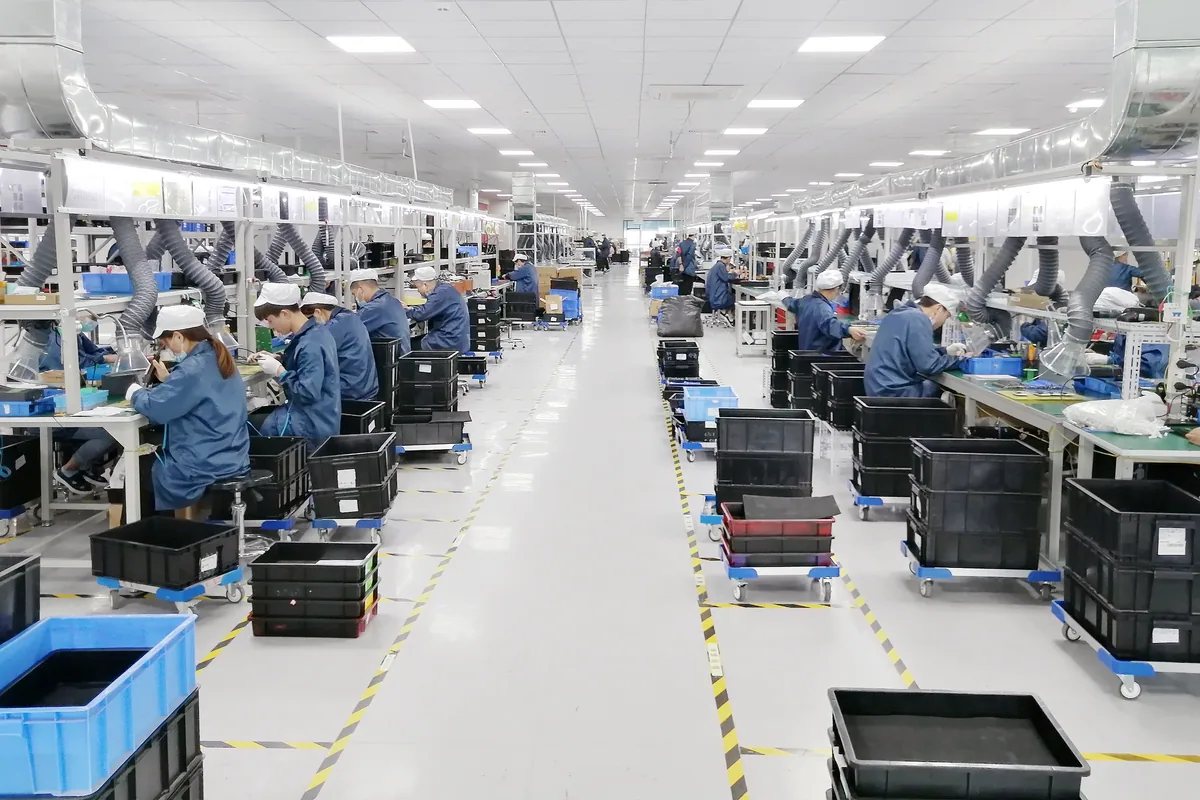
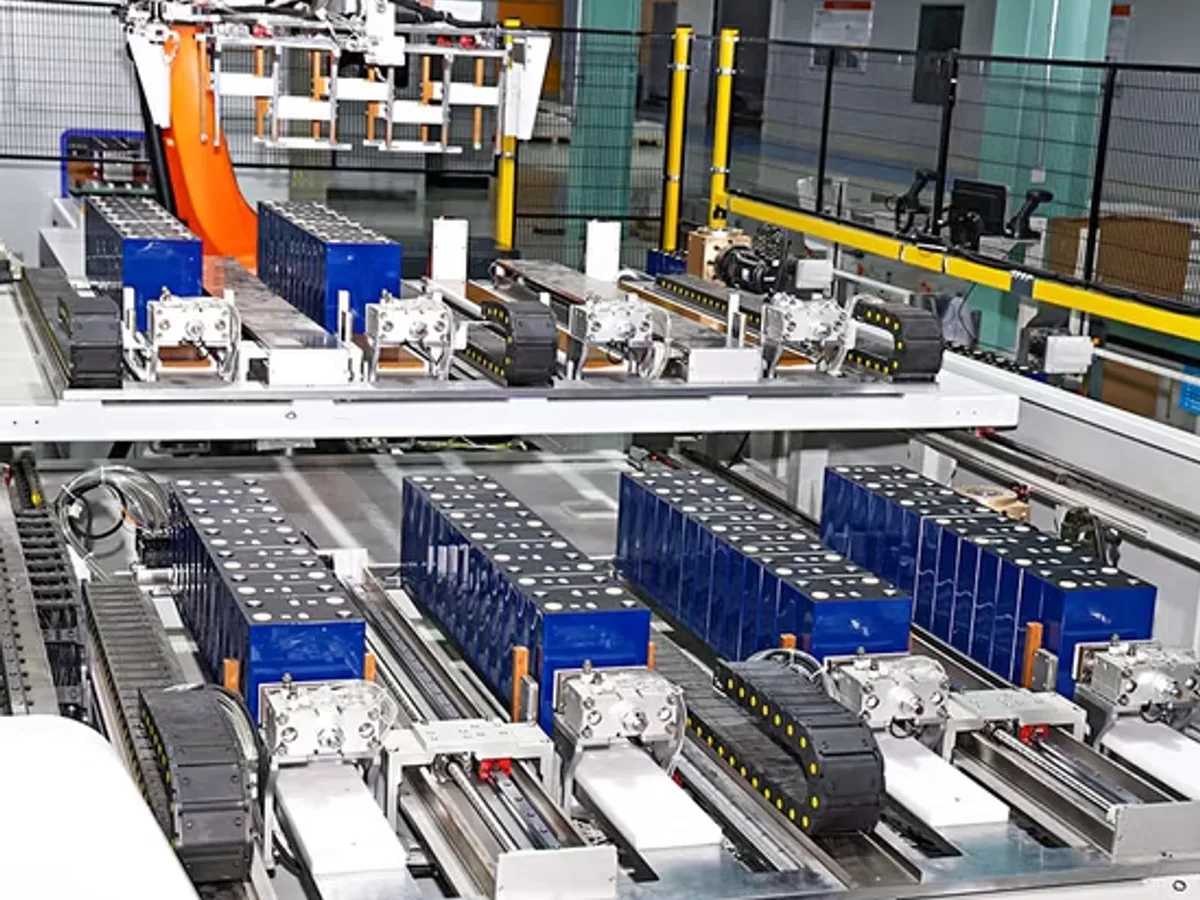
Every SSL 48 V pack is built with traceable Grade A LiFePO4 cells from established manufacturers. Cell acceptance testing at incoming inspection and pack-level formation matching ensure capacity and impedance consistency across every unit — the prerequisite for clean parallel operation.
Dual BMS Profiles: ESS vs Motive
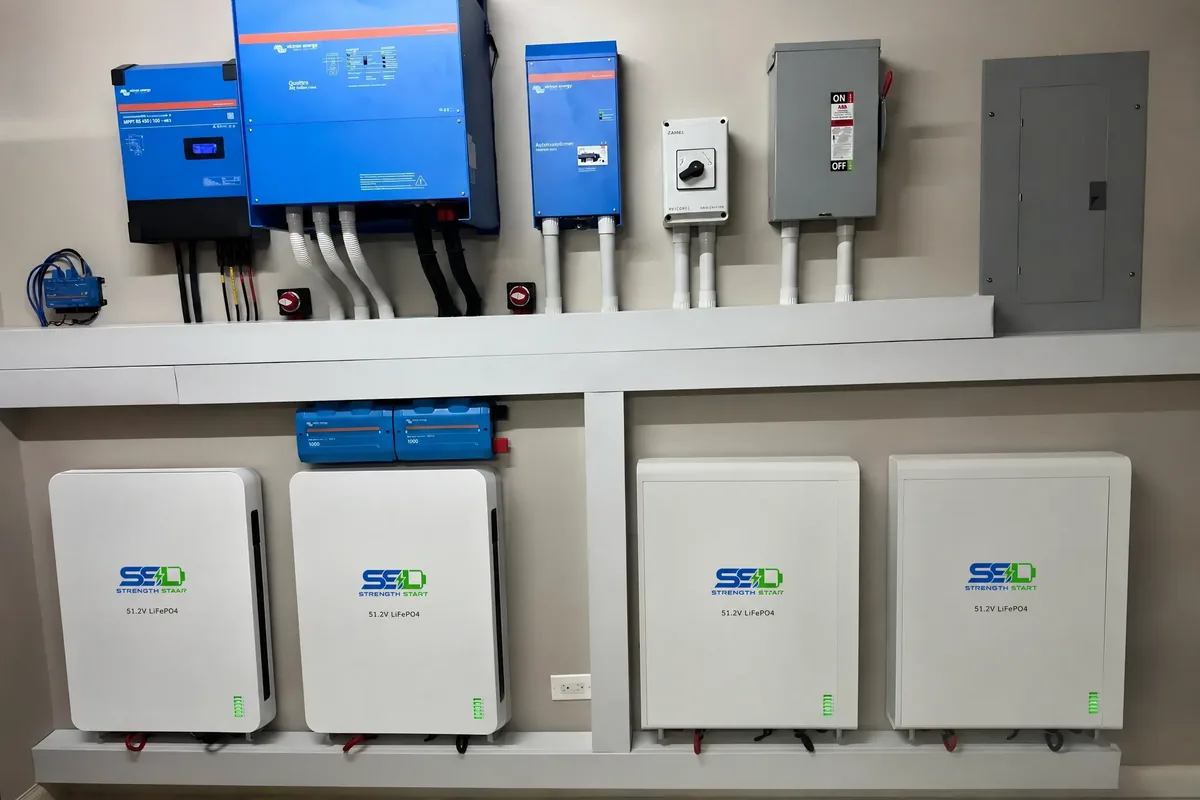
Before sampling, we map CAN/RS485 communication to your inverter/EMS brand or controller. ESS Profile: protocol mapping for Victron, Growatt, Deye, GoodWe, SMA, Solis, Huawei, Schneider Electric; charge/discharge control handshake; parallel configuration with SOC synchronization. Motive Profile: controller-aligned CAN, overcurrent thresholds for surge events, fast-charge limits for opportunity charging. Both share validated parallel behavior and low-temp charge protection.
European Delivery & Compliance
For European B2B buyers, Poland Local Warehouse planning supports 3–7 Days DDP replenishment for qualified fleet and ESS programs. Compliance documentation — CE, UN38.3, MSDS — is aligned during technical review, not rushed at shipping.
SSL 48 V LiFePO4 battery packs target B2B applications that demand scalable capacity, communication-grade protocols, and long lifecycle economics. Voltage is the platform — BMS profile and cell selection adapt to your duty cycle. We optimize the design for real-world constraints: protocol handshake with your inverter/controller fleet, parallel SOC synchronization, thermal behavior under load, and installation mechanics — for both ESS and high-power motive applications.
Where It Fits Best
View specifications
| Application Type | Typical Use Cases | Why 48V Fits |
|---|---|---|
| Energy Storage (ESS) | Home ESS, solar self-consumption, C&I backup | Factory-mapped CAN/RS485 handshakes with leading inverters; 95% DoD maximizes usable capacity; parallel SOC synchronization scales with facility |
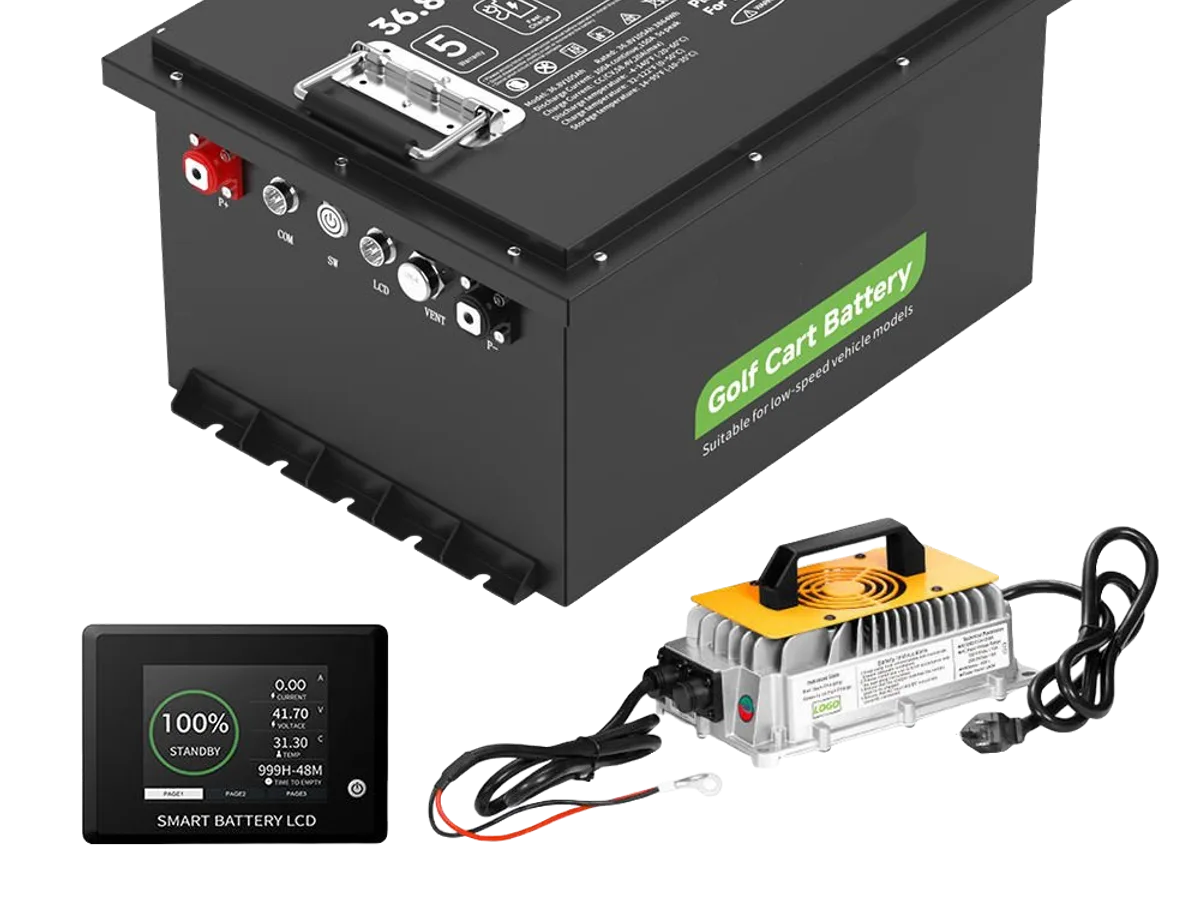
| High-Power Motive | 48V golf cart, forklift, marine electric, EV conversion | Controller-aligned BMS logic; peak-current tolerance; fast-charge profiles; validated parallel for multi-pack vehicle systems |
| Home ESS & Solar (ESS) | Residential solar self-consumption, backup, time-of-use | Inverter-ready packs with 95% DoD for maximum usable capacity per installed euro |
| Commercial & Industrial ESS (ESS) | Peak shaving, demand charge reduction, containerized MWh | Parallel-scalable from 100 Ah to 1000+ Ah with SOC sync; capacity grows with facility |
| OEM EV & Utility Fleets (Motive) | 48V golf fleets, forklift, marine, EV conversion | Stable voltage under repeated duty cycles; controller-aligned BMS qualifies once and repeats across programs |
BMS Profile Selection: ESS vs Motive
View specifications
| Parameter | ESS Profile (Inverter-Mapped) | Motive Profile (Controller-Aligned) |
|---|---|---|
| Primary Goal | Inverter protocol handshake, 95% DoD, parallel SOC sync | Controller communication, surge tolerance, fast charge |
| Protocol Mapping | Victron, Growatt, Deye, GoodWe, SMA, Solis, Huawei, Schneider | CAN to motor controller (OEM-specific) |
| Parallel Behavior | Validated SOC synchronization across racks | Validated SOC sync across vehicle multi-pack |
| Overcurrent Threshold | Matches inverter surge events | Higher, surge-rated for peak draw/acceleration |
| Fast-Charge Limits | Standard charge rates per inverter | Elevated, validated for opportunity charging |
| Cell Selection | Calendar-life optimized, 95% DoD | High-discharge rate optimized, cyclic duty |
| Thermal Safeguards | Controlled derating for sustained load | Dynamic derating for transient peaks |
| Typical Applications | Home ESS, C&I backup, solar self-consumption | 48V golf, forklift, marine electric, EV conversion |
Voltage Comparison: ESS vs Motive by Platform
View specifications
| Parameter | 12V | 24V | 36V | 48V (This Page) | Custom |
|---|---|---|---|---|---|
| Nominal Voltage | 12.8 V | 25.6 V | 38.4 V | 51.2 V | 6–72 V+ |
| Power Range | <3 kW | 3–5 kW | 3–5 kW | 5–15 kW | Any |
| ESS Typical Use | Solar backup, telecom, security, UPS | Telecom backup, solar storage, C&I | Marine hybrid, 36V DC backup, off-grid | Home ESS, C&I, solar self-consumption | Grid-scale, container ESS, HV backup |
| Motive Typical Use | AGV/AMR, robotics, marine, portable | Forklift, AGV, floor scrubbers | Golf cart, LSEV, sightseeing boat | 48V golf, forklift, marine, EV conversion | Heavy EV, bus, mining, locomotive |
| EU Stock | Poland Warehouse | Poland Warehouse | Poland Warehouse | Poland Warehouse | Made to order |
Engineering Fit Check
Inputs we validate
View specifications
| Input | Why it matters |
|---|---|
| Inverter/EMS brand, model, firmware (ESS) OR controller model (Motive) | Confirms CAN/RS485 protocol mapping and charge-control handshake before samples ship. |
| Application type: ESS (inverter/solar) or Motive (traction) | Selects correct BMS profile, protocol mapping, and cell grade. |
| Target capacity and parallel configuration | Validates parallel count, SOC synchronization, and cabling/current plan. |
| Duty cycle, charge windows, and ambient temperature | Sizes protection logic and derating around real load and climate profiles. |
| Enclosure and connector constraints | Prevents installation rework and voltage drop at high current. |
BMS logic we tune
View specifications
| BMS item | Engineering purpose |
|---|---|
| Protocol mapping (CAN/RS485) per inverter brand | Clean SOC reporting and charge control — no drift, no silent faults. |
| Overcurrent thresholds and response timing | Matches inverter surge and fleet transient events without unnecessary trips. |
| Thermal safeguards with controlled derating | Protects cycle life during sustained heavy load and high ambient temperatures. |
| Low-temperature charge protection | Prevents cold-charge damage in unheated installations. |
Compliance and EU Delivery
We align documentation for UN38.3 / CE / MSDS (as applicable), labeling, and logistics readiness.
For European customers, Poland Local Warehouse planning supports 3–7 Days DDP replenishment for recurring demand.