Situation
Your OEM program requires a custom LiFePO4 pack at a voltage, capacity, or form factor that standard catalog products cannot deliver — whether that's a 72V forklift system, a 96V commercial ESS rack, a 12V compact module for embedded IoT, or a multi-kWh motive pack with high-voltage requirements. You need a manufacturer who can handle cell selection, BMS protocol mapping, enclosure engineering, and compliance as a single validated process.
The Challenge
Most custom suppliers treat every order as a one-off prototype: no documented engineering process, no validated parallel behavior, no high-voltage specialization, and no EU logistics planning. BMS protocol mismatches surface after installation. Enclosure designs don't match the mechanical envelope. Batch-to-batch capacity drift erodes warranty margins. And for programs exceeding 48V, few suppliers can deliver the engineering rigor high-voltage demands — isolation design, BMS high-voltage protection, and pack-level safety validation.
How do you find a custom LiFePO4 battery partner that delivers engineering-grade process, high-voltage capability, batch consistency, and European logistics — without qualifying multiple suppliers?
Our Answer
SSL custom LiFePO4 battery packs follow a documented 7-step engineering process: duty cycle analysis, cell selection matched to load profile, BMS configuration aligned to your inverter/controller, enclosure design to your mechanical envelope, prototype validation, production setup with batch-level testing, and compliance documentation prepared before sampling. We handle voltages from 6V to 100V+ (including 72V, 96V, and multi-string HV configurations), with high-voltage isolation design, BMS HV protection logic, and UN38.3/CE/MSDS documentation. Poland Local Warehouse supports 3–7 Days DDP for qualified programs. You get one partner for the full voltage range — ESS, motive, or hybrid — with the engineering process to make it repeatable.
Engineering-First Design Process
Every custom pack starts with your application constraints — voltage, capacity, peak current, operating temperature, enclosure dimensions, and BMS protocol. We select Grade A cells matched to your duty cycle, configure BMS parameters to your equipment, engineer the enclosure and busbar layout, and validate the complete assembly before the first sample ships.
BMS and Protocol Alignment
We configure BMS thresholds, balancing strategy, and communication protocol (CAN/RS485) to match your inverter, EMS, or motor controller. Protocol mapping is tested and documented during the engineering phase — no surprises during system integration. For ESS applications, we map to Victron, Growatt, Deye, GoodWe, SMA, Solis, Huawei, or Schneider Electric. For motive, we map to your motor controller.
Production Consistency and EU Logistics
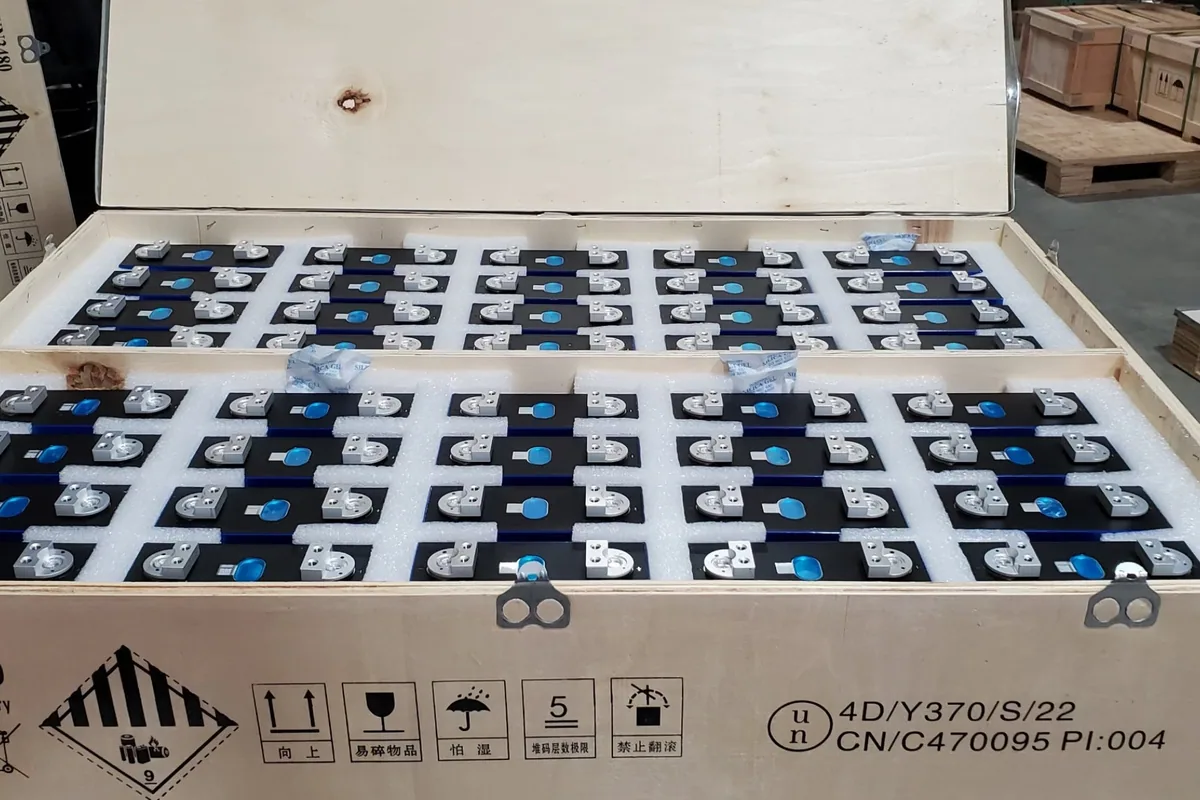
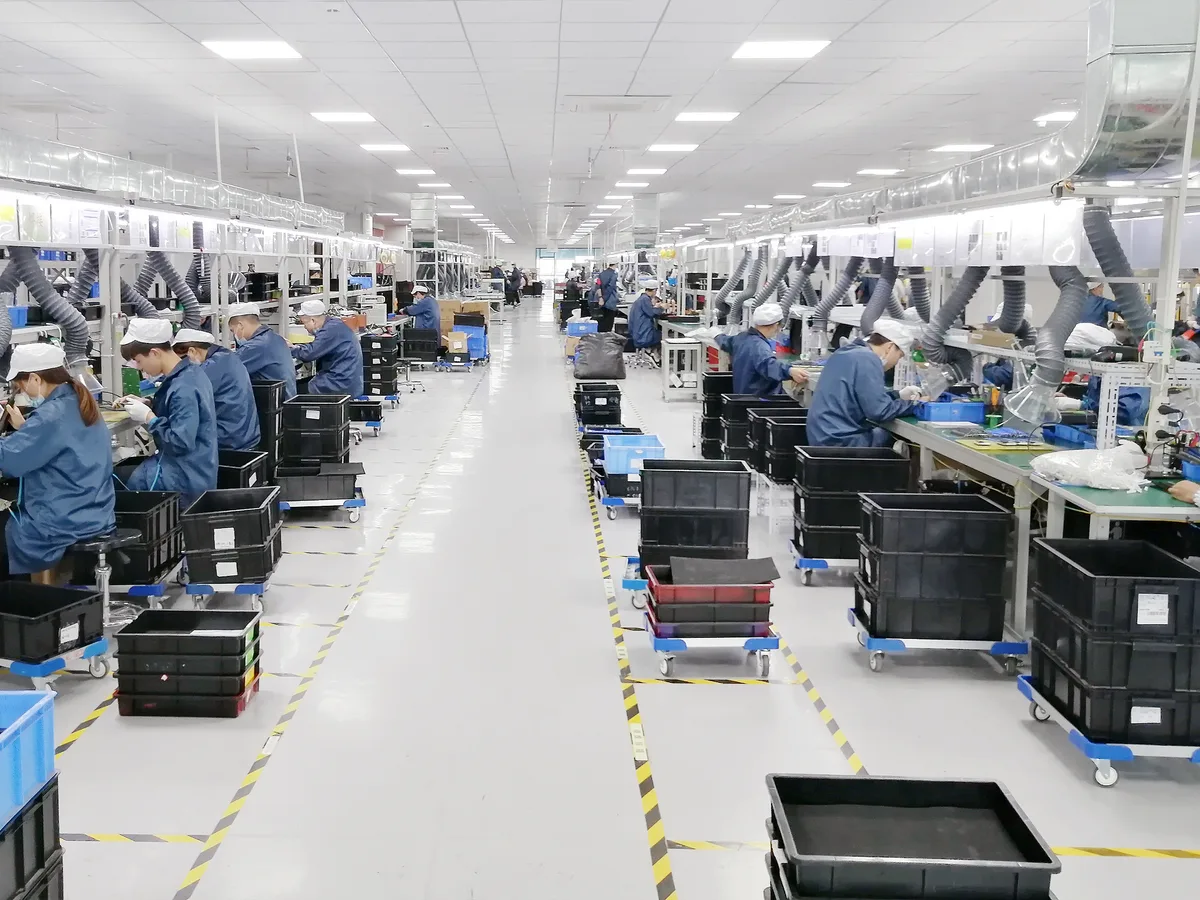
Factory-level pack formation, capacity grading, and test documentation ensure every production batch matches the qualified sample. Poland Local Warehouse supports 3–7 Days DDP replenishment for qualified programs, with compliance docs (CE, UN38.3, MSDS) aligned during engineering review.
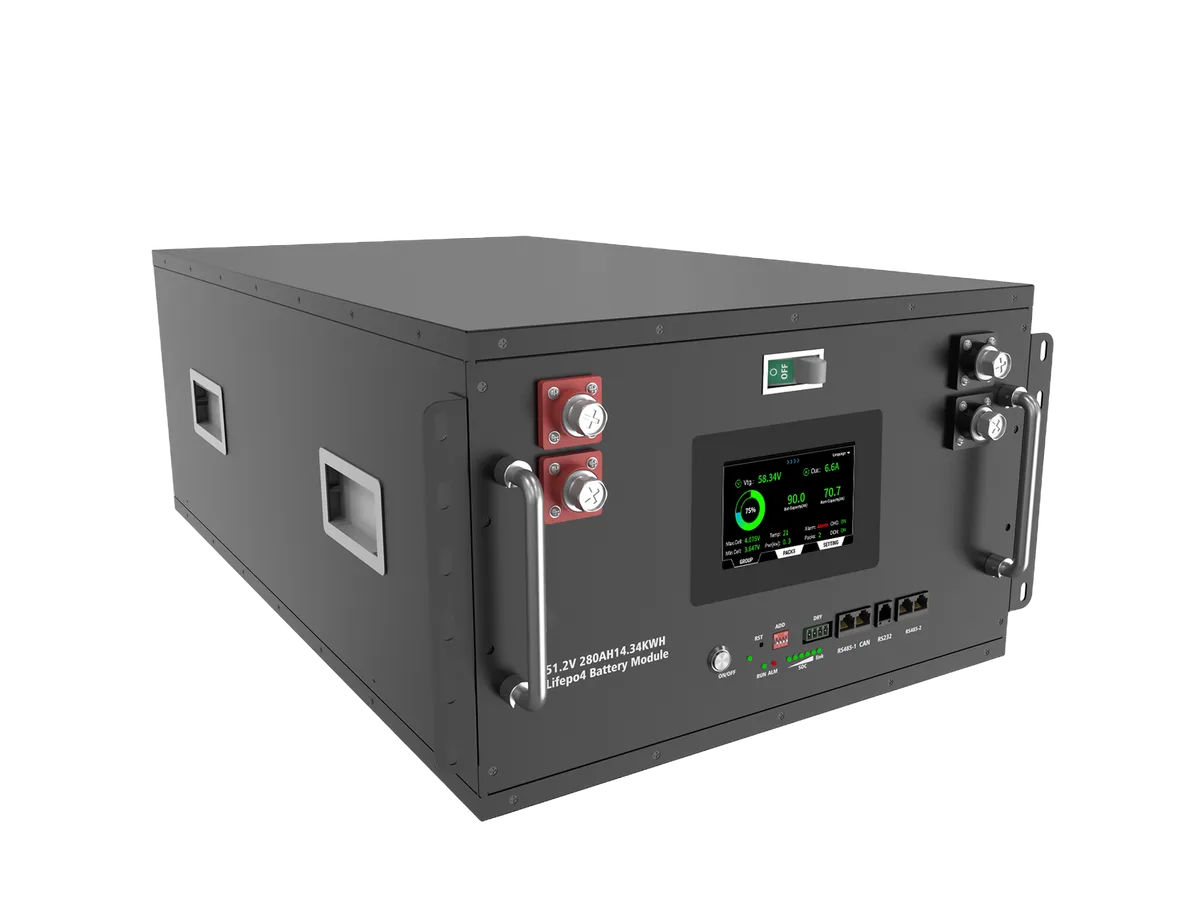
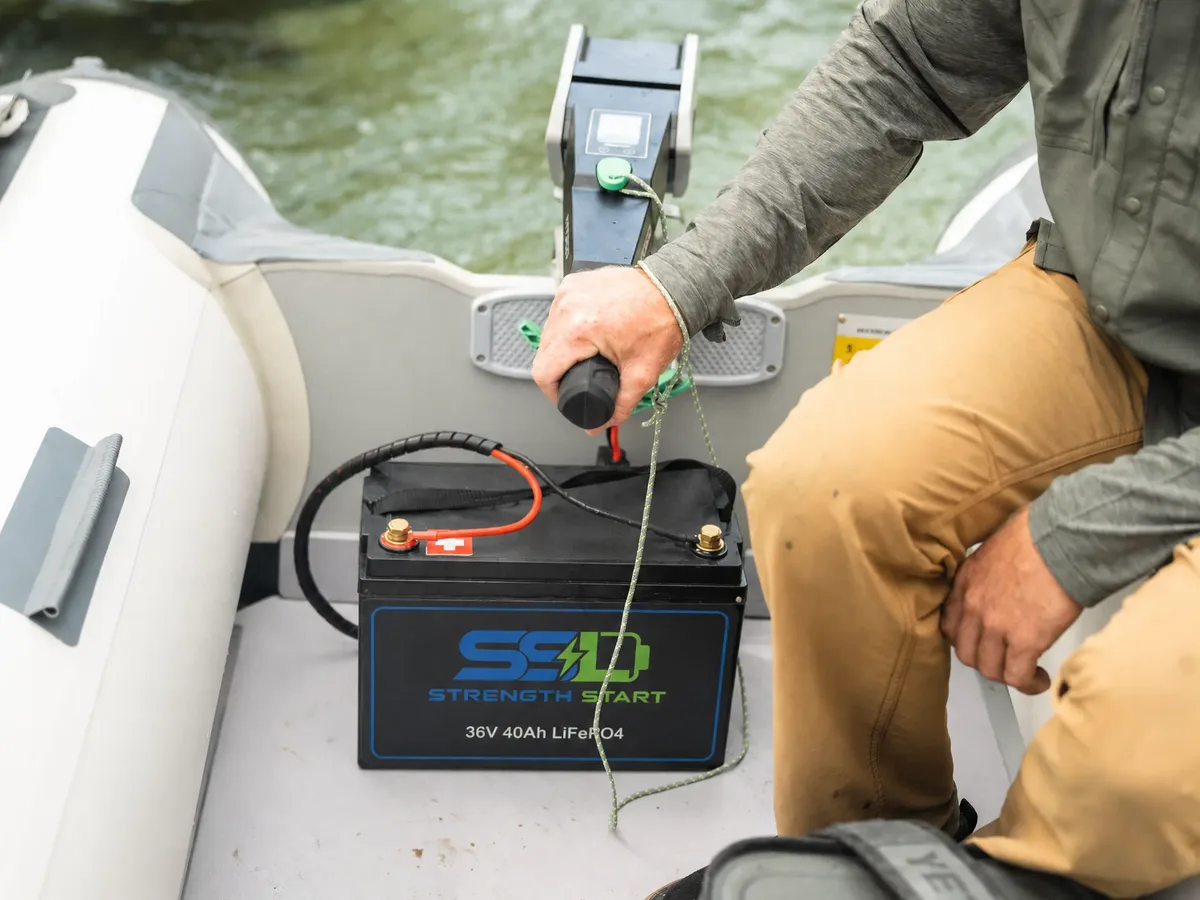
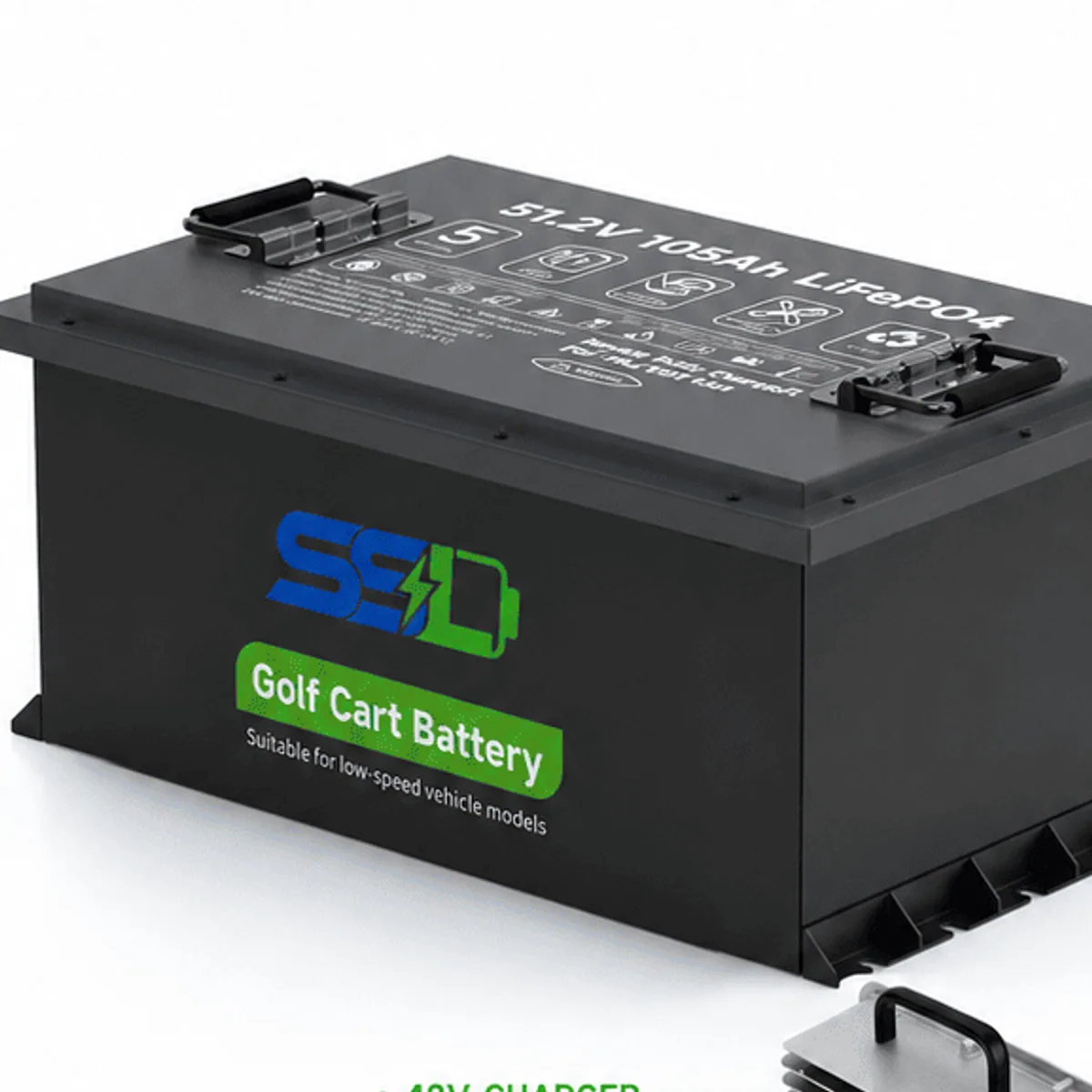
Custom lithium battery packs are engineered for B2B projects requiring specific voltage, capacity, enclosure dimensions, and BMS communication protocols. From 6V compact modules to 100V+ high-voltage systems, our engineering team handles the full cycle: cell selection, BMS protocol mapping, enclosure design, and compliance documentation. We serve both ESS (residential, C&I, grid-scale) and motive (forklift, golf cart, EV conversion, marine) applications with the same validated process.
Standard vs Custom: When to Choose Which
View specifications
| Factor | Standard Packs (12V / 24V / 36V / 48V) | Custom Packs |
|---|---|---|
| Voltage Range | 12V–48V (fixed nominal) | 6V–100V+ (any configuration) |
| Enclosure | Catalog dimensions, pre-designed | Custom to your mechanical envelope |
| BMS Protocol | Pre-mapped to common inverters/controllers | Mapped to your specific model + firmware |
| Lead Time | 3–7 Days DDP (Poland stock) | 2–3 Weeks (engineering + sampling) |
| MOQ | 50 units | 50 units (same, but with engineering phase) |
| Best For | Standard voltage + catalog fit | Non-standard voltage, HV, specific enclosure, specialized duty |
| ESS Applications | 12V–48V home, C&I, solar | 72V, 96V, 100V+ C&I, grid-scale, container |
| Motive Applications | 12V–48V golf, forklift, marine, EV | 72V forklift, 96V commercial EV, multi-kWh motive |
The Pain Points We Solve
Standard Voltage Doesn't Fit
Your application needs 72V, 96V, or 100V+ — no standard pack exists. Custom cell string configuration with BMS HV protection and isolation design.
Enclosure Mismatch
Standard pack dimensions don't fit your equipment's mechanical envelope. Custom enclosure design with thermal path engineering.
BMS Protocol Mismatch
Your inverter/controller uses non-standard CAN/RS485 protocol. We map BMS communication to your specific model and firmware version.
Duty Cycle Demands
Application requires non-standard C-rate, thermal design, or calendar life. Cell selection and BMS tuned to your exact load profile.
Batch Consistency Risk
Previous suppliers delivered inconsistent capacity across batches. Our factory-level formation grading and test documentation ensure batch-to-batch match.
High-Voltage Complexity
HV configurations (72V+) require isolation design, BMS HV protection, and UN38.3 documentation. We handle the full HV engineering stack.
Voltage x Application Matrix
View specifications
| Voltage | ESS Applications | Motive Applications | Typical Power Range | Custom vs Standard |
|---|---|---|---|---|
| 6V–12V | Solar backup, telecom, UPS, IoT embedded | AGV/AMR, robotics, portable medical, drone | <3 kW | Standard (12V) or custom for 6V/8V/10V |
| 24V | Telecom backup, solar storage, C&I | Forklift, AGV, floor scrubbers | 3–5 kW | Standard (24V) or custom for 20V/28V |
| 36V | Marine hybrid, 36V DC backup, off-grid | Golf cart, LSEV, sightseeing boat | 3–5 kW | Standard (36V) or custom for 30V/40V |
| 48V | Home ESS, C&I backup, solar self-consumption | 48V golf, forklift, marine, EV conversion | 5–15 kW | Standard (48V) or custom for 52V/56V |
| 72V | C&I ESS, commercial backup, telecom HV | Forklift, EV conversion, commercial EV | 10–30 kW | Custom only — HV isolation design required |
| 96V | Grid-scale ESS, container, industrial | Heavy EV, bus, mining auxiliary | 20–100 kW | Custom only — HV BMS + isolation design |
| 100V+ | Grid-scale, utility, industrial HV | Rail auxiliary, heavy industrial, mining | 50–500+ kW | Custom only — full HV engineering stack |
Our 7-Step Custom Engineering Process
View specifications
| Step | What We Do | What You Get |
|---|---|---|
| 1. Duty Cycle Analysis | Load profile, ambient temperature, duty cycle, runtime requirements | Application specification document with operating envelope |
| 2. Cell Selection | Grade A LiFePO4 cells matched to C-rate, calendar life, and thermal needs | Cell datasheet with acceptance test criteria |
| 3. BMS Configuration | Protocol mapping (CAN/RS485) to your inverter/controller, protection thresholds | BMS configuration document with test results |
| 4. Enclosure Design | Mechanical envelope, thermal paths, connector selection, busbar layout | 3D model + thermal simulation |
| 5. Prototype Validation | Full electrical, thermal, communication, and safety testing | Validation test report with pass/fail criteria |
| 6. Production Setup | Batch-level formation, capacity grading, QC documentation | Production process document + sample approval |
| 7. Compliance Documentation | CE, UN38.3, MSDS prepared and validated before sampling | Compliance package ready for EU delivery |
High-Voltage Custom Packs: 72V, 96V, 100V+
Isolation Design
Cell string isolation, creepage/clearance distances, and insulation resistance validation for HV configurations (72V+).
BMS HV Protection
High-voltage protection logic: overvoltage per string, undervoltage per string, insulation fault detection, and HV interlock.
Thermal Management
HV-specific thermal design: heat dissipation across long strings, cell-to-cell temperature uniformity, and derating logic.
UN38.3 Documentation
Full UN38.3 test documentation for HV configurations: vibration, thermal cycling, short circuit, impact, and overcharge.
Common HV Custom Voltages
72V (forklift, EV conversion), 96V (C&I ESS, commercial EV), 100V+ (grid-scale, mining, rail). Share your voltage for engineering validation.
EU Compliance for HV
CE, UN38.3, MSDS prepared during engineering phase — no last-minute documentation scramble before shipping.
What You Can Expect at Every Stage
View specifications
| Stage | Deliverable | Timeline |
|---|---|---|
| Enquiry Response | Engineering feasibility + initial BOM estimate | 24–48 hours |
| Engineering Proposal | Cell selection + BMS config + enclosure concept | 5–7 working days |
| Sample Build | Prototype pack with full test documentation | 2–3 weeks |
| Sample Validation | Test report with pass/fail vs your spec | 1–2 weeks |
| Production Approval | First article inspection + batch QC plan | 1–2 weeks |
| Mass Production | Batch-level formation, grading, test docs | Per order schedule |
| EU Delivery | 3–7 Days DDP from Poland (qualified programs) | Ongoing |
Where It Fits Best
View specifications
| Application Category | Typical Use Cases | Why Custom Fits |
|---|---|---|
| High-Voltage ESS | C&I backup, grid-scale, container ESS, telecom HV | 72V–100V+ voltages, isolation design, HV BMS protection, UN38.3 docs |
| High-Voltage Motive | Forklift, EV conversion, commercial EV, mining, rail | 72V–96V+ platforms, controller-mapped BMS, peak-current tolerance |
| Residential ESS (standard voltage) | Home solar, backup, time-of-use | Custom enclosure for specific cabinet, protocol mapping to non-standard inverter |
| Compact Embedded | IoT, portable medical, drone, AGV/AMR | 6V–12V compact modules, custom form factor, low-power BMS |
| Specialized Duty Cycles | Medical, agricultural, rail, marine HV | Non-standard C-rate, thermal design, certification requirements |
BMS Profile Selection: ESS vs Motive
View specifications
| Parameter | ESS Profile (Inverter-Mapped) | Motive Profile (Controller-Aligned) |
|---|---|---|
| Primary Goal | Inverter protocol handshake, 95% DoD, parallel SOC sync | Controller communication, surge tolerance, fast charge |
| Protocol Mapping | Victron, Growatt, Deye, GoodWe, SMA, Solis, Huawei, Schneider | CAN to motor controller (OEM-specific) |
| Parallel Behavior | Validated SOC synchronization across racks | Validated SOC sync across vehicle multi-pack |
| Overcurrent Threshold | Matches inverter surge events | Higher, surge-rated for peak draw/acceleration |
| Fast-Charge Limits | Standard charge rates per inverter | Elevated, validated for opportunity charging |
| Cell Selection | Calendar-life optimized, 95% DoD | High-discharge rate optimized, cyclic duty |
| Thermal Safeguards | Controlled derating for sustained load | Dynamic derating for transient peaks |
Inputs we validate
View specifications
| Input | Why it matters |
|---|---|
| Application type: ESS or Motive | Selects correct BMS profile, protocol mapping, and cell grade. |
| Target voltage and capacity | Determines cell string configuration, BMS HV requirements, and enclosure size. |
| Inverter/controller brand, model, firmware | Confirms CAN/RS485 protocol mapping before samples ship. |
| Enclosure constraints (dimensions, mounting, connectors) | Prevents installation rework and ensures thermal path integrity. |
| Duty cycle, charge windows, ambient temperature | Sizes protection logic, derating, and cell selection around real load and climate. |
| Compliance requirements (CE, UN38.3, additional) | Aligns documentation during engineering phase, not at shipping. |
Custom Fit Check
View specifications
View specifications
Compliance and EU Delivery
We align documentation for UN38.3 / CE / MSDS (as applicable), labeling, and logistics readiness.
For European customers, Poland Local Warehouse planning supports 3–7 Days DDP replenishment for recurring demand.