Situation
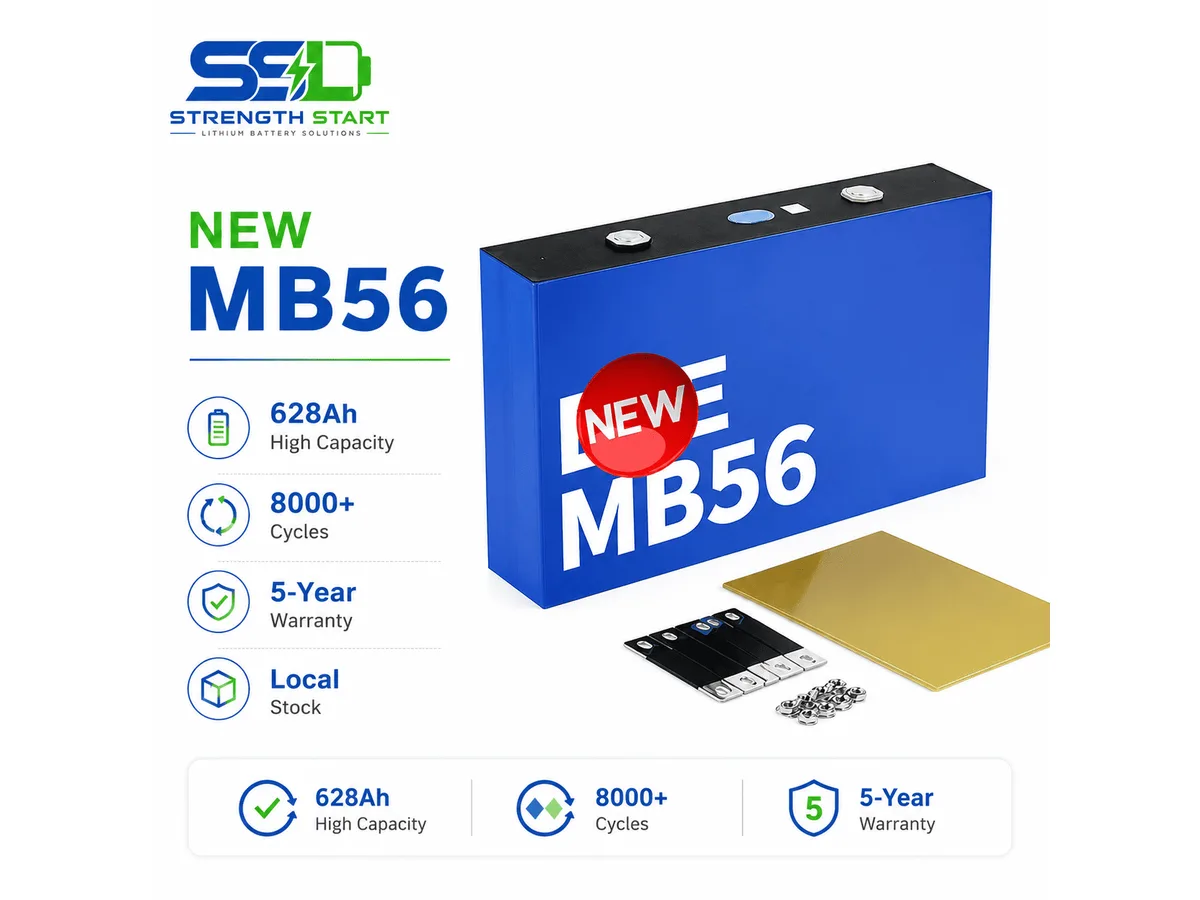
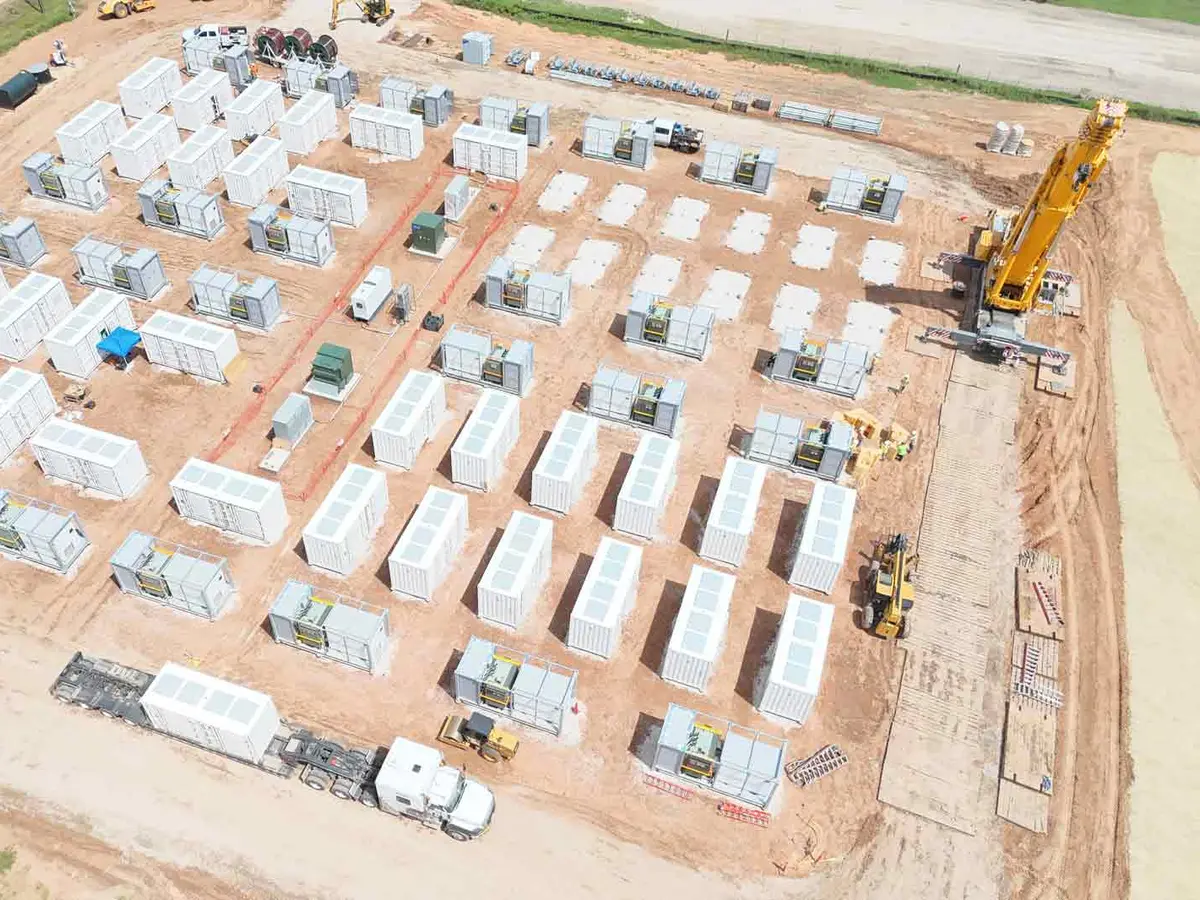
Your engineering team is sourcing high-capacity 628Ah prismatic LiFePO4 cells for grid-scale ESS or commercial storage deployments. You need consistent electrical performance, traceable cell grading, and a supply partner who can manage cell qualification, certification documentation, and logistics without adding engineering overhead.
The Challenge
Without validated cell sourcing, each new ESS project risks capacity mismatches from inconsistent cell grading, unexpected impedance variation during pack assembly, and last-minute certification delays. Sourcing from suppliers with shifting specifications means your engineering team spends time qualifying cells instead of building storage systems – delaying project timelines and eroding system economics.
How do you select a reliable 628 Ah LiFePO4 cell supplier for grid-scale ESS that ensures consistent quality, European delivery, and engineering support?
Our Answer
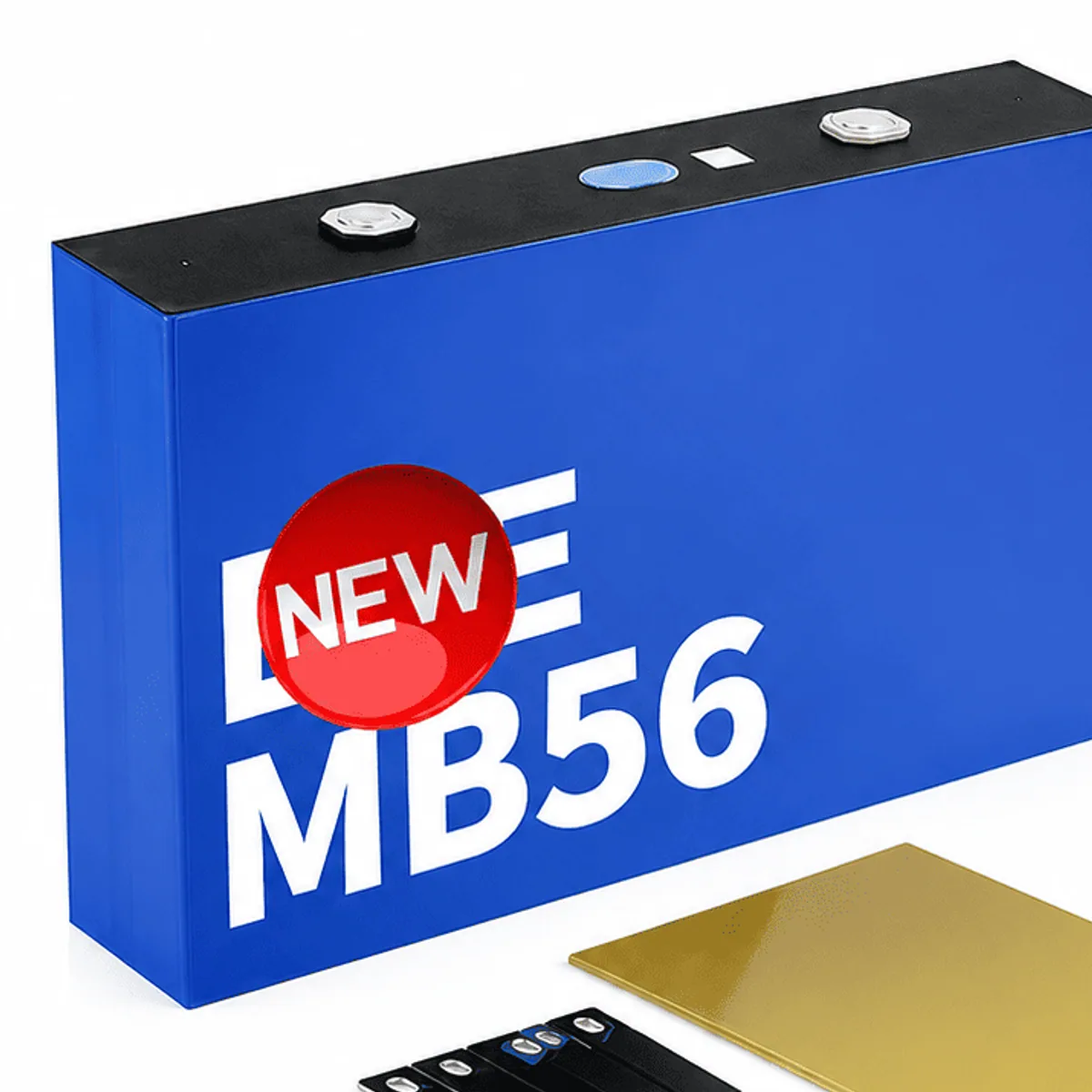
SSL 628 Ah Grid-Scale cells (MB56) deliver verified performance through Grade A cell sourcing with full traceability, factory-level capacity matching, and comprehensive test documentation – so your engineering team qualifies a cell once and scales across projects. With Poland Local Warehouse stock supporting EU delivery and compliance documentation aligned before sampling, we reduce the sourcing risk that slows down grid-scale ESS deployments.
Grid-Scale Capacity
Each 628 Ah cell packs 2.01 kWh of energy, cutting the cell count per megawatt-hour and simplifying pack assembly for containerized and commercial deployments.
Grade A Cell Sourcing
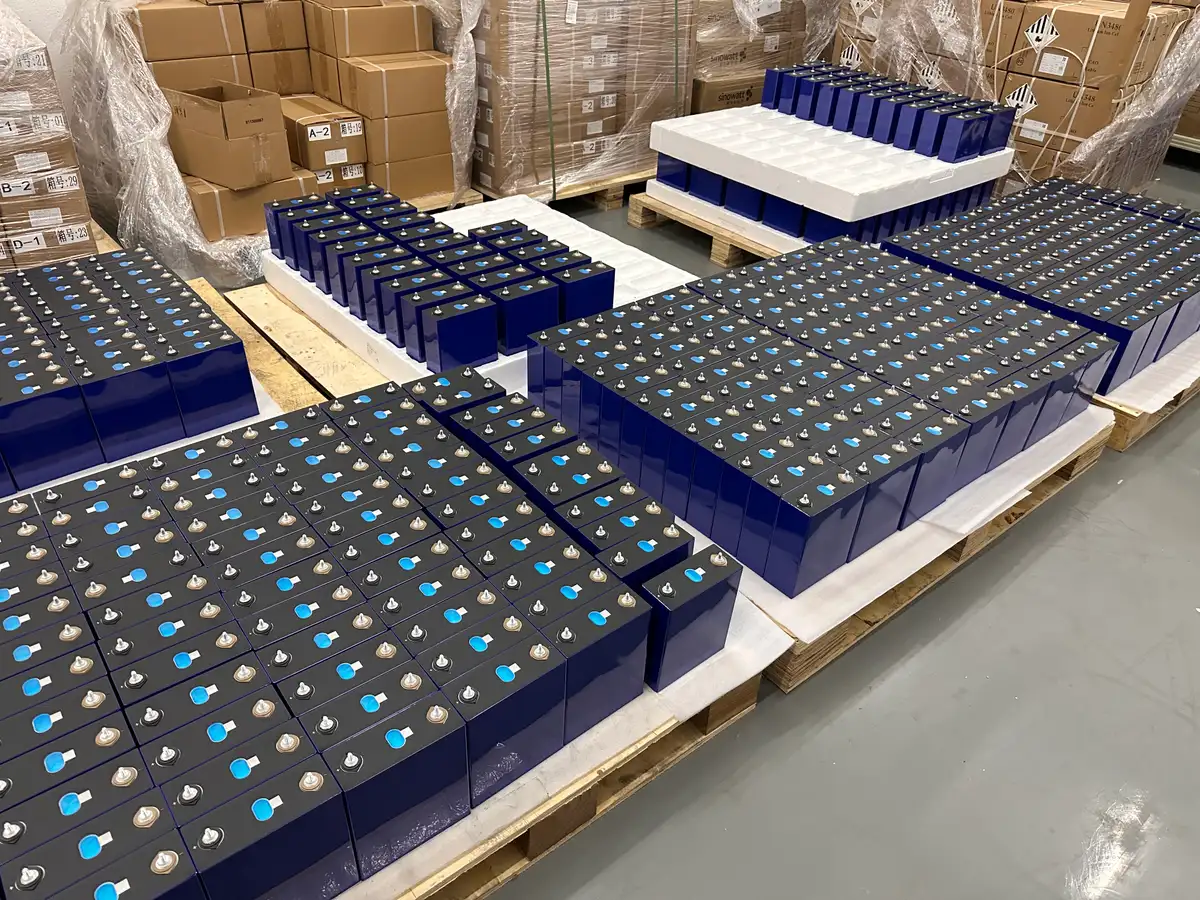
Every 628 Ah cell is traceable to established manufacturers with incoming inspection and capacity matching to ensure consistent performance across every unit – eliminating the batch variation that causes field failures.
European Logistics & Support
Poland Local Warehouse supports EU delivery with compliance documentation (CE, UN38.3, MSDS) aligned during technical review – turning cell sourcing into a repeatable procurement process.
Where It Fits Best
| Application | Why it fits |
|---|---|
| Grid-scale ESS | 628 Ah per cell cuts the cell count per MWh and simplifies pack assembly. |
| Commercial storage | High-throughput daily cycling with 8000+ cycles supports demand management. |
| Utility frequency regulation | Tight ACIR and capacity binning keep parallel strings balanced under load. |
Engineering Integration Notes
Mechanical compatibility
| Mechanical factor | Operational effect |
|---|---|
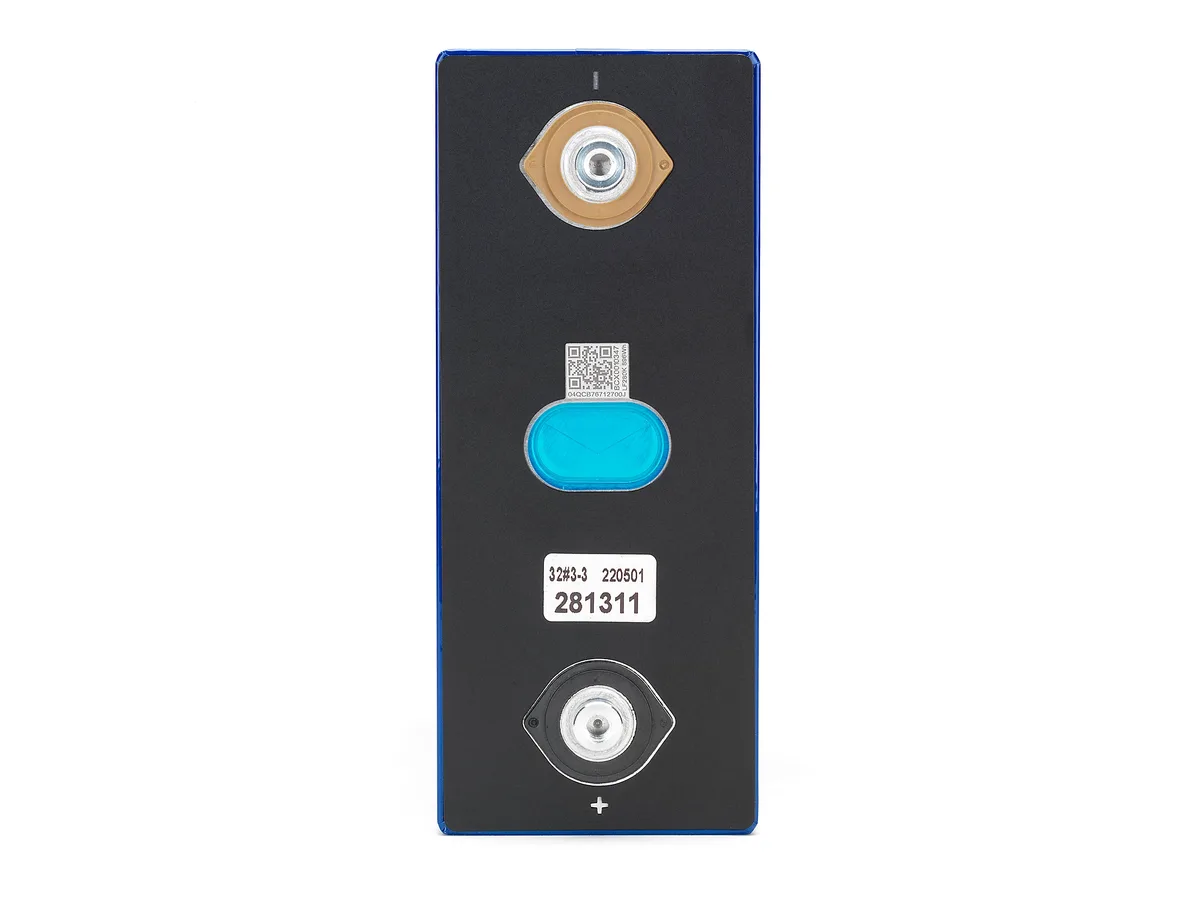
| 218×72×207 mm large-format footprint | Designed for containerized rack layouts with standard busbar spacing. |
| ~10.2 kg cell weight | Handling fixtures and tray loads sized for large-format cells. |
| Standard large prismatic terminals | Existing busbars, straps, and torque specs carry over. |
Electrical considerations
| Validation item | Why it matters |
|---|---|
| ACIR ≤0.25 mΩ and capacity binning | Parallel strings stay balanced under load. |
| 0.5P continuous discharge (314 A) | Matches grid-scale ESS duty cycles without derating. |
| BMS parameter alignment to inverter/EMS | Reduces nuisance trips in daily-use deployments. |
Compliance and EU Delivery
CE, UN38.3, and MSDS documentation is included with every shipment. For European partners, Poland Local Warehouse planning can support 3–7 Days DDP replenishment when demand is predictable.